Oxygen Therapy
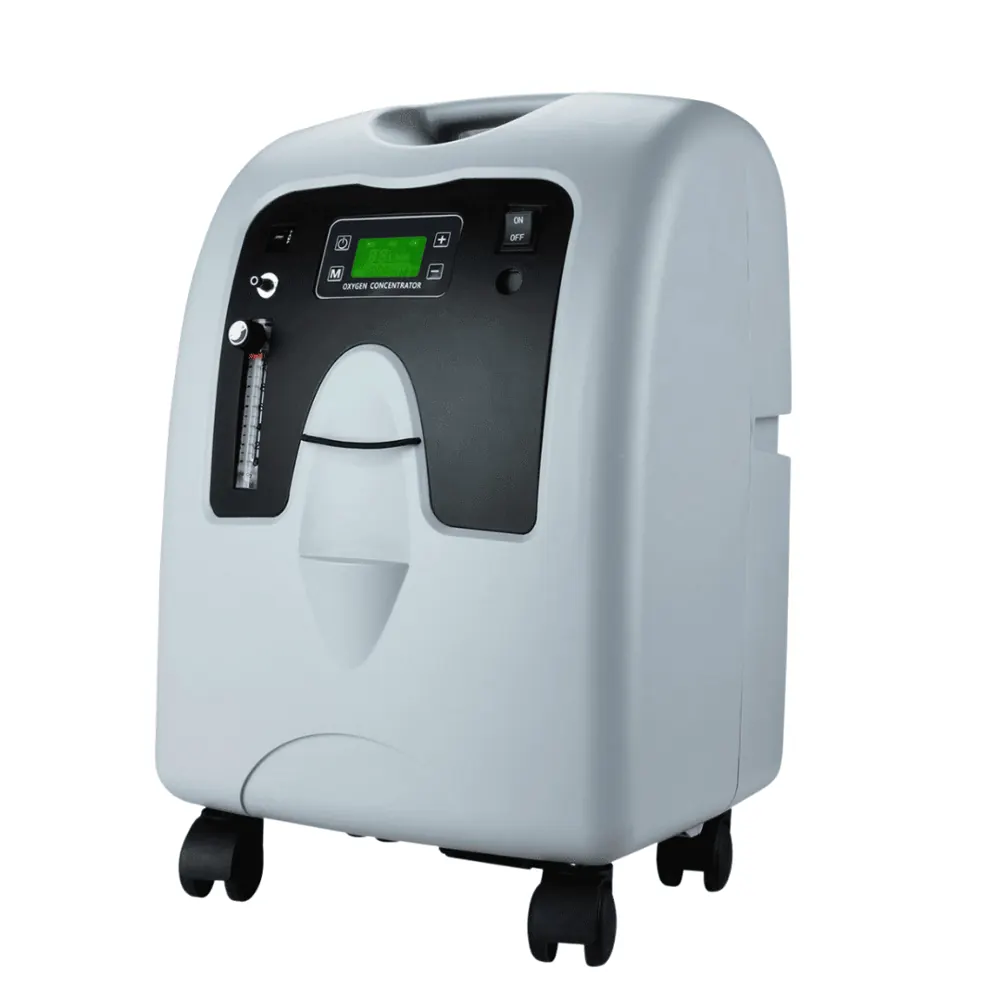
10L Oxygen Concentrator
Purevent 10L concentrates oxygen from room air and delivers a continuous flow.

Search our catalogue, add what you need to your quote list, and send it to us in one tap. We reply with prices and availability — to buy or rent.
Purevent 10L concentrates oxygen from room air and delivers a continuous flow.
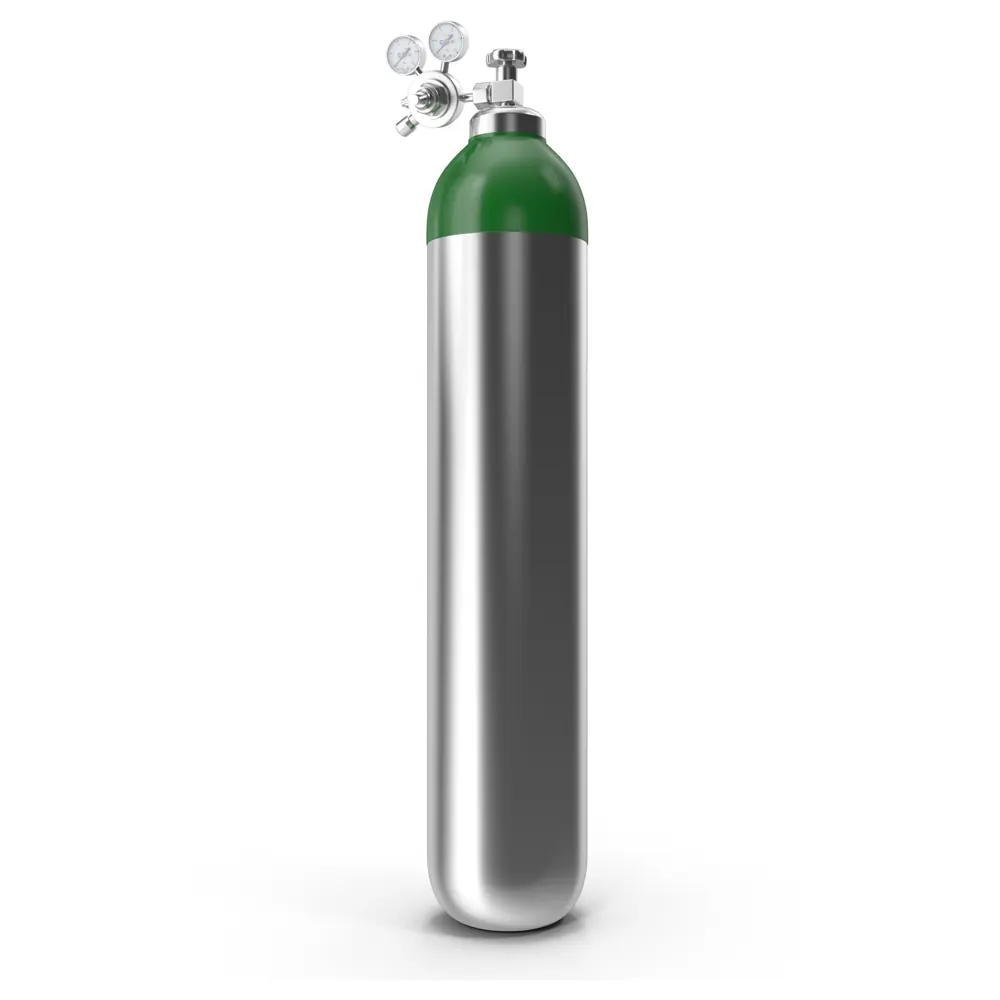
A convenient cylinder for valuable oxygen therapy with mobility and reliability.
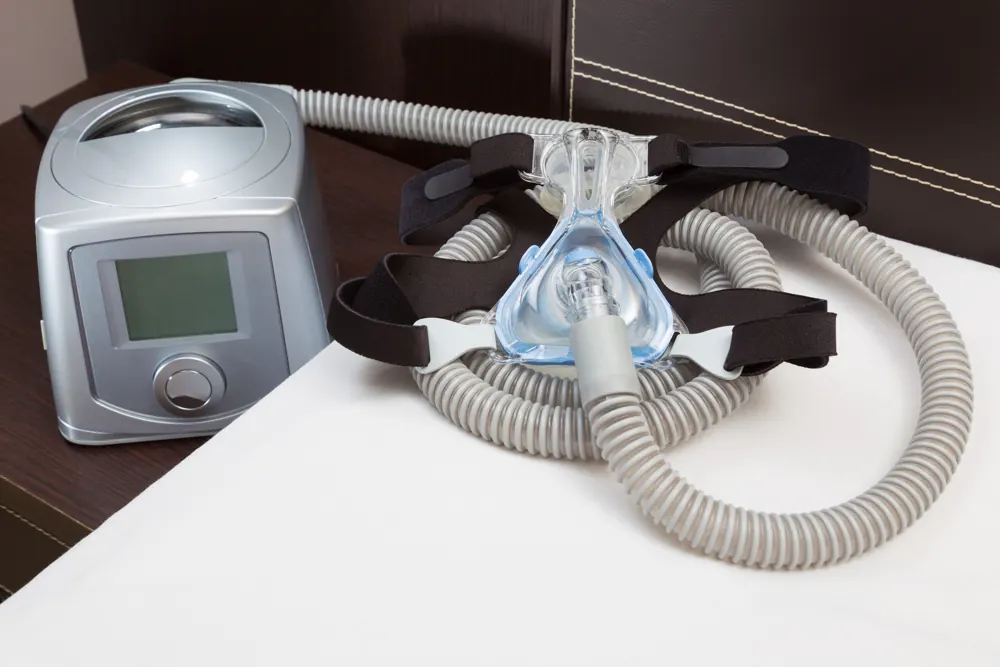
The self-regulating device that adjusts mask pressure to keep airways open.
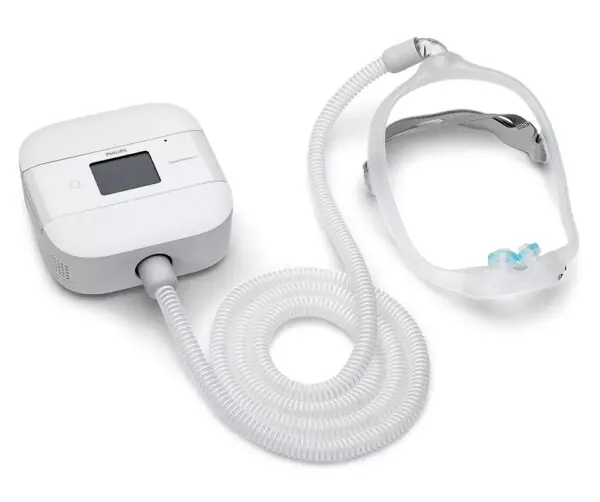
A small, portable device designed to treat sleep disorders by providing continuous airflow.
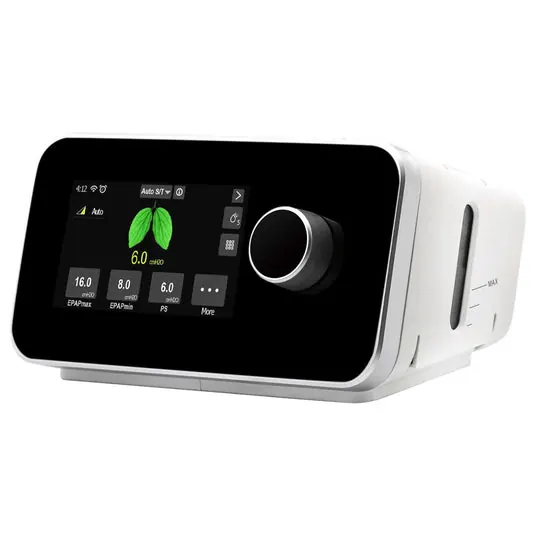
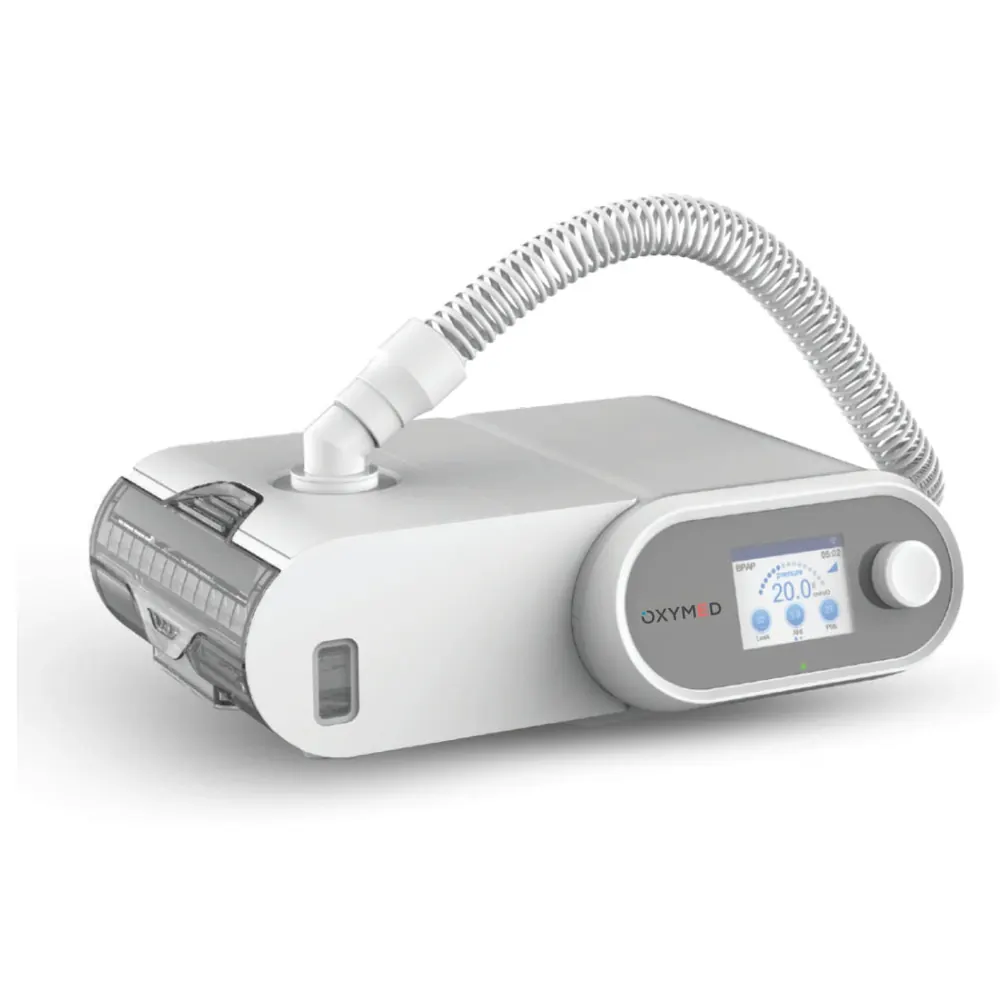
A support for both spontaneous and mandatory timed breathing with adjustable airflow.
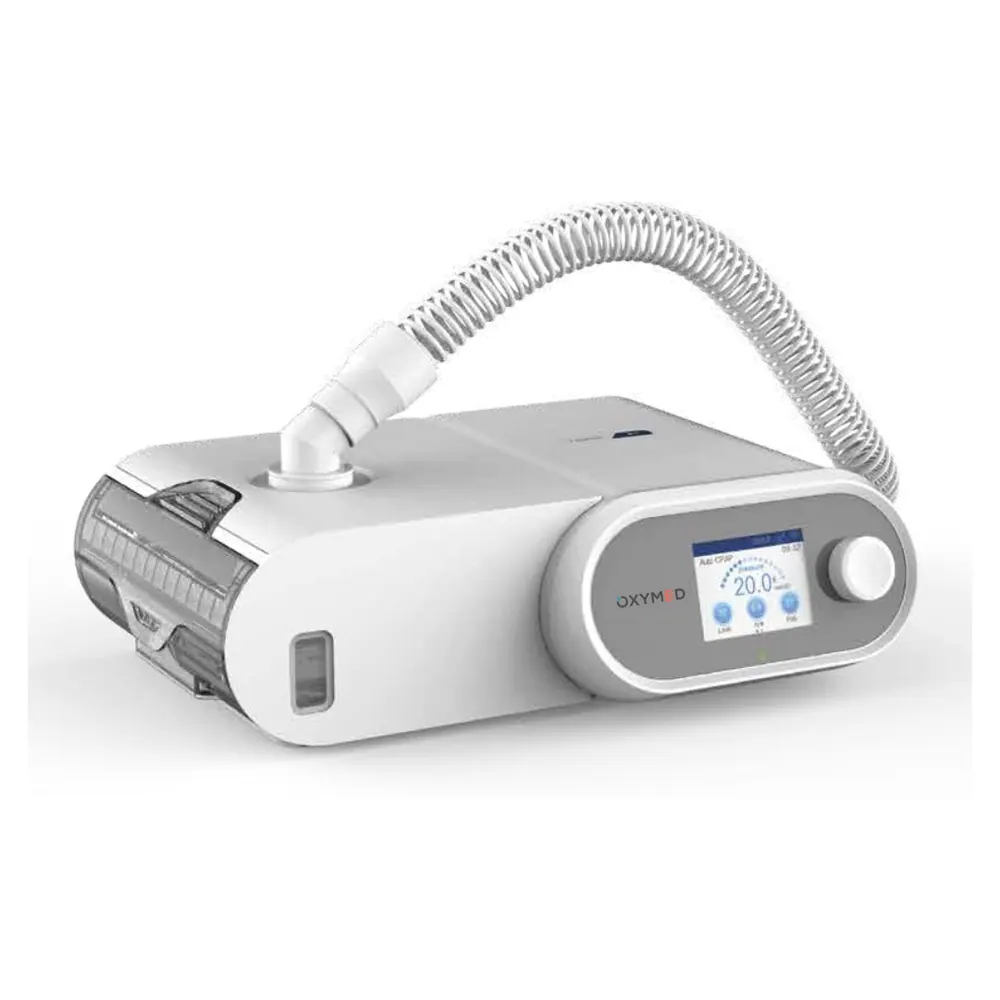
It delivers automatic pressure for different sleep patterns during sleep.
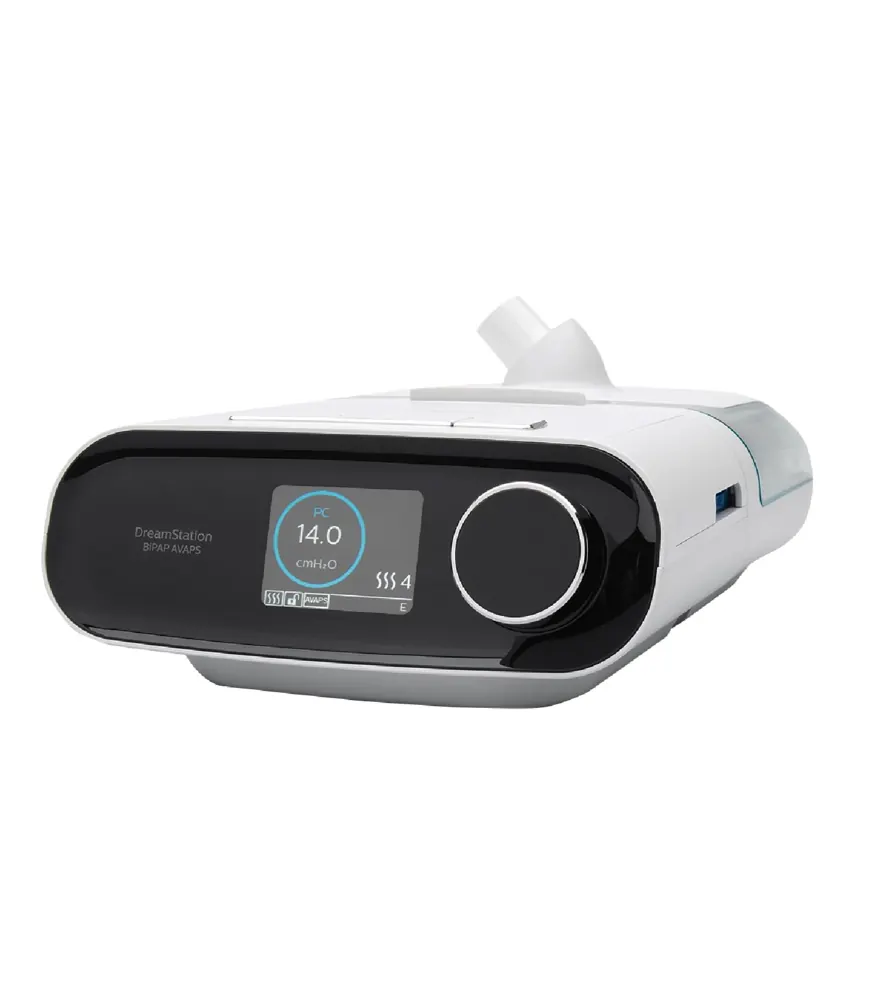
Used to provide ventilatory support to adults and pediatric patients in a noninvasive way.
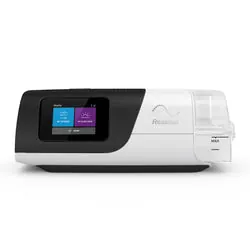
A ventilation device used to treat central and complex sleep apnea.
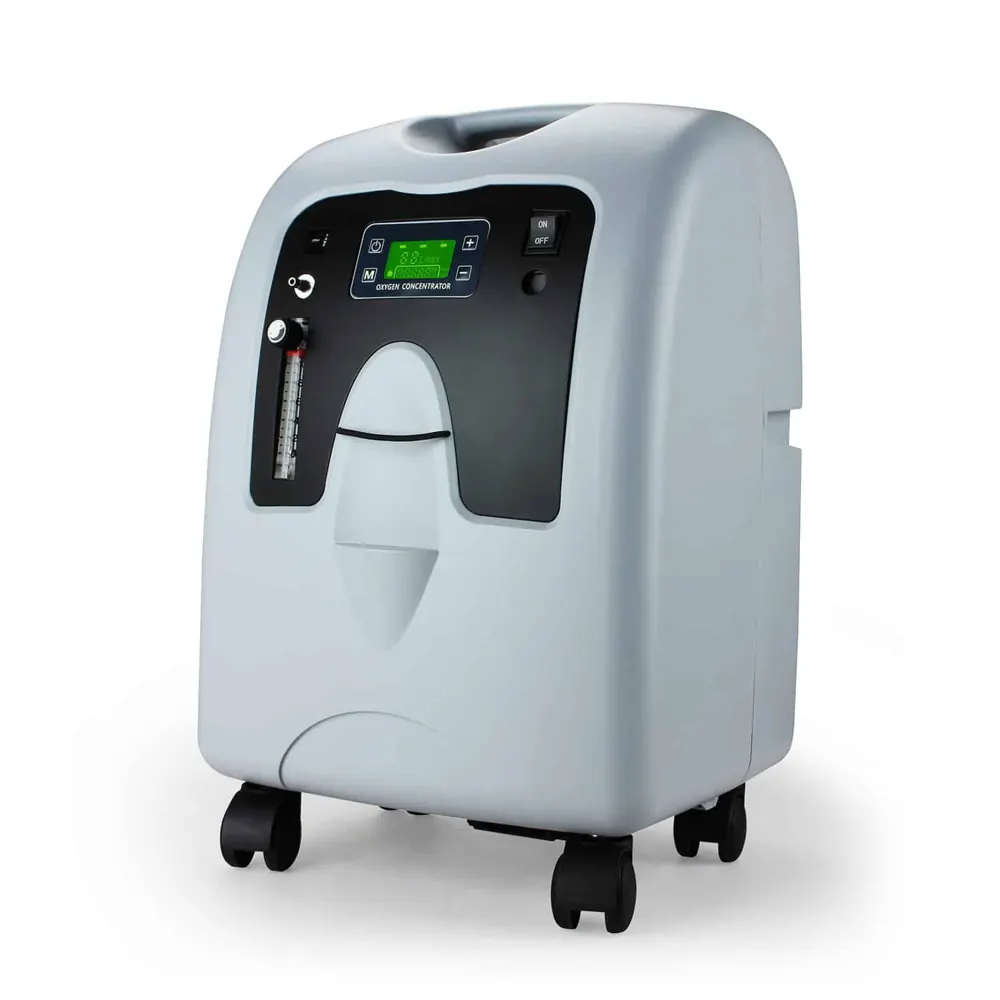
5L is used to treat pneumonia, asthma, and RDS by delivering high levels of oxygen into the bloodstream of individuals.
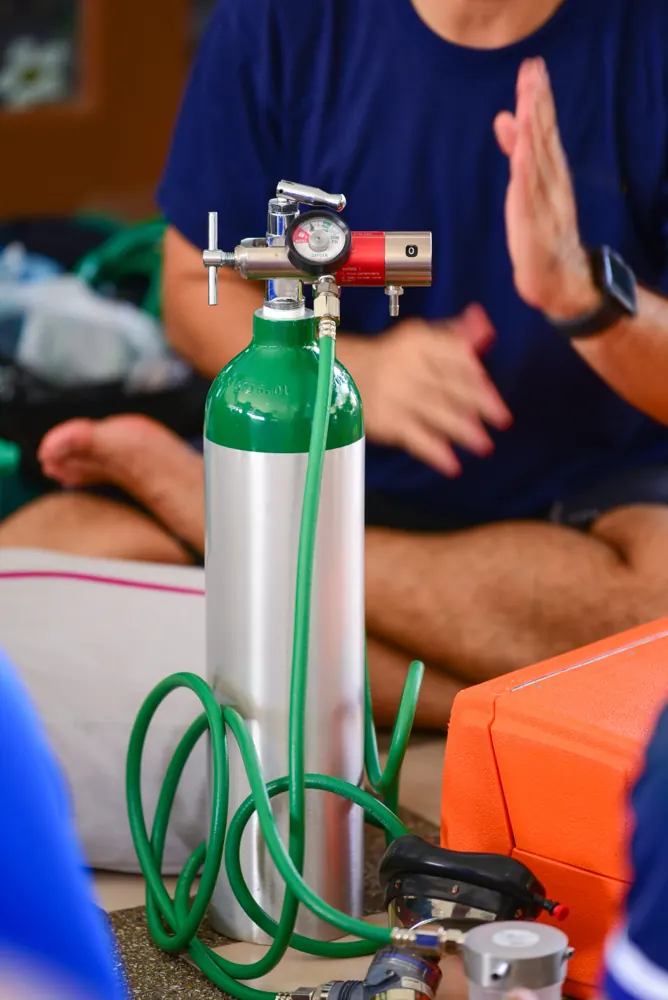
A durable, pressurized container for storing and transporting oxygen for medical use.
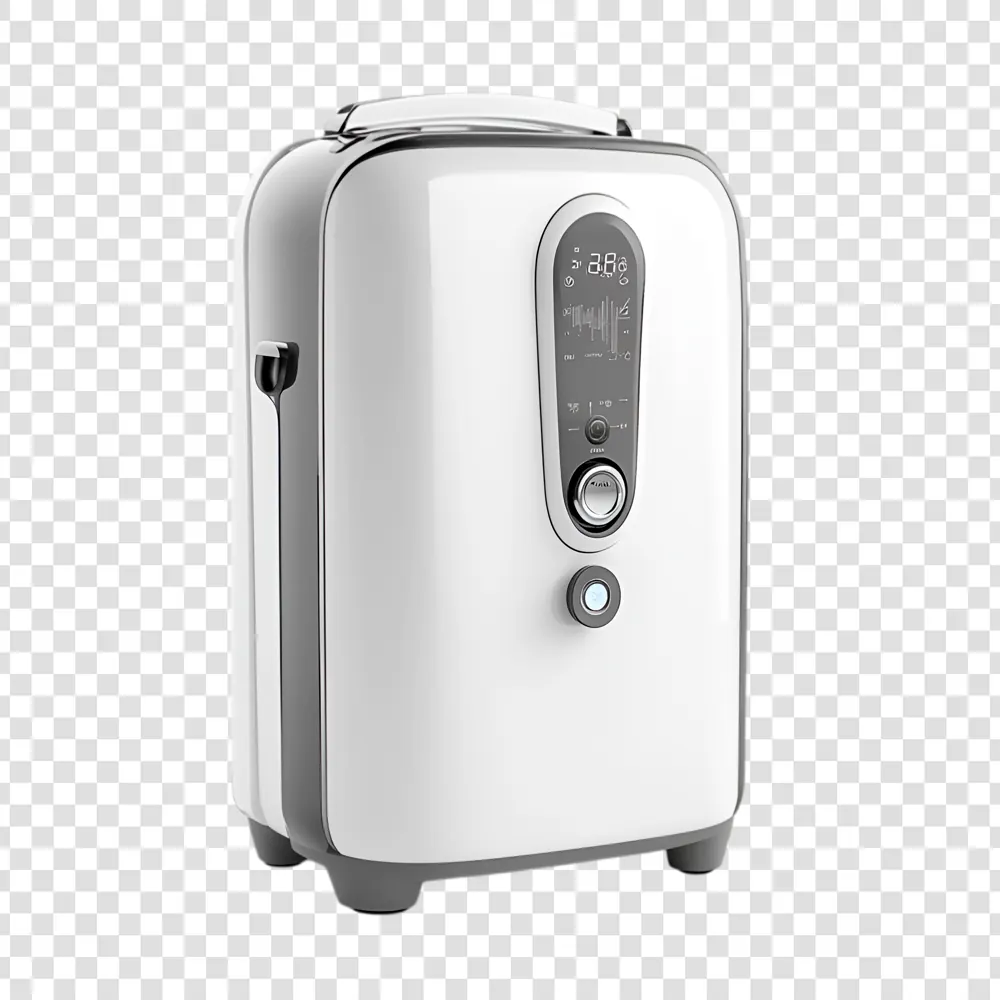
Lightweight and compact device to treat respiratory conditions at home or while traveling.
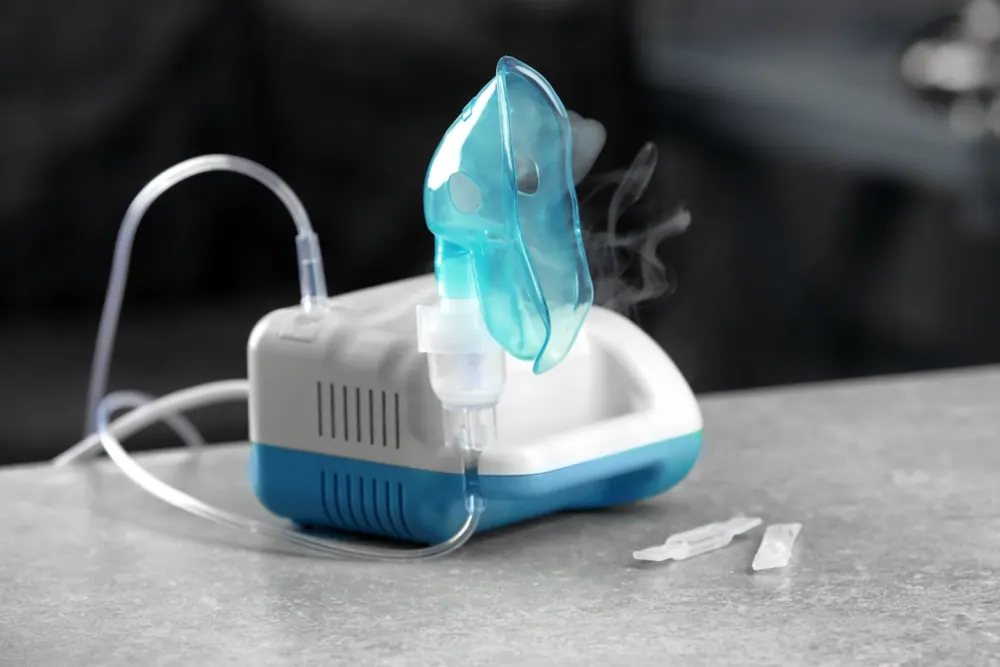
This device converts liquid medication into mist for easy inhalation by both pediatric and adult patients.
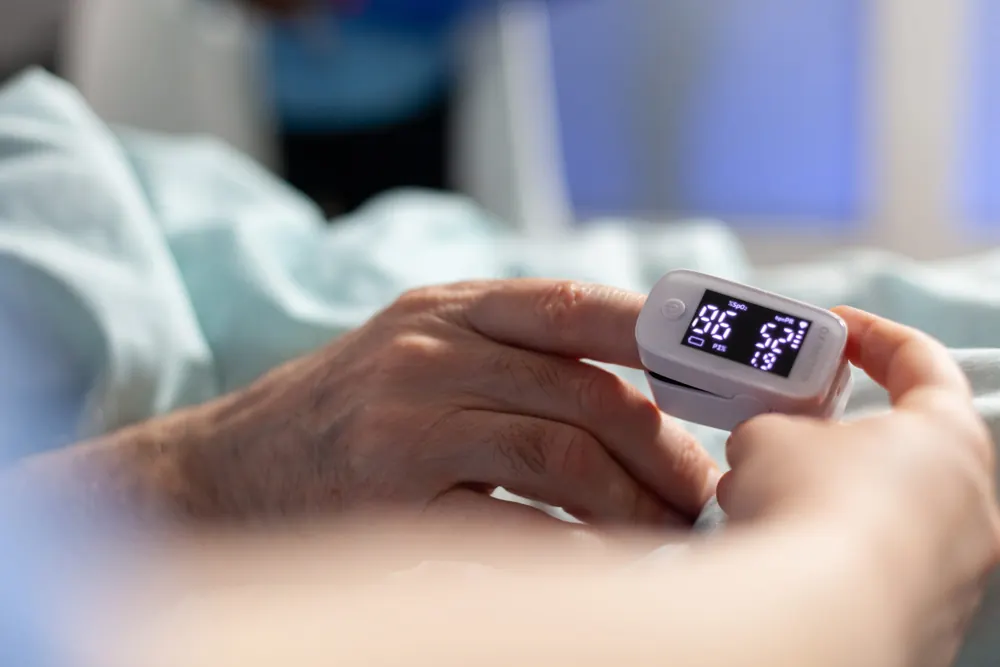
A bedside monitor for rapid, continuous measurement of oxygen saturation and pulse rate.
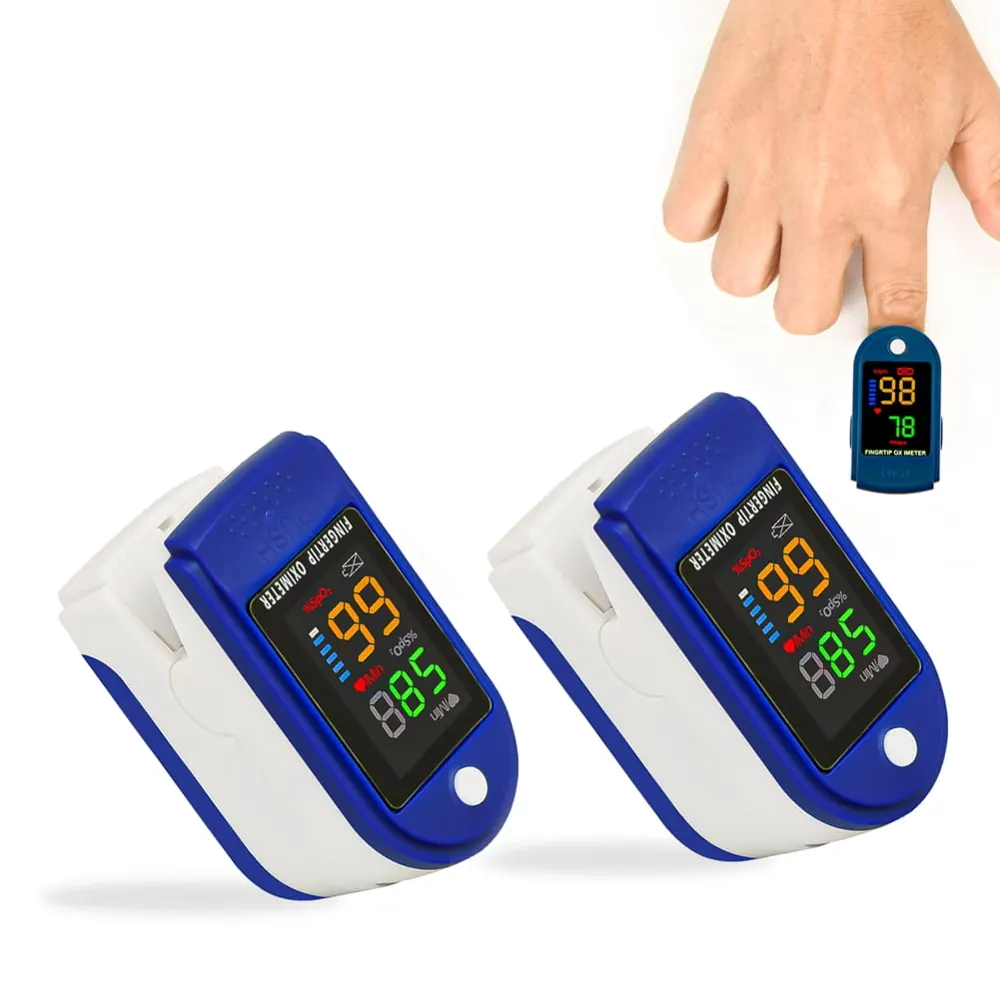
A finger pulse oximeter monitors pulse rate and oxygen saturation.
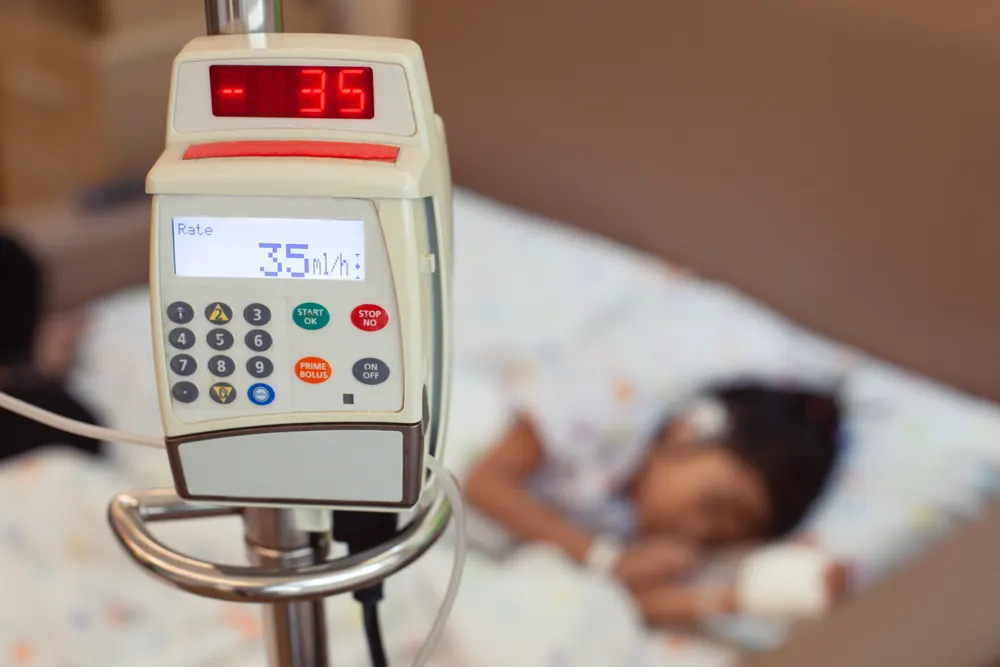
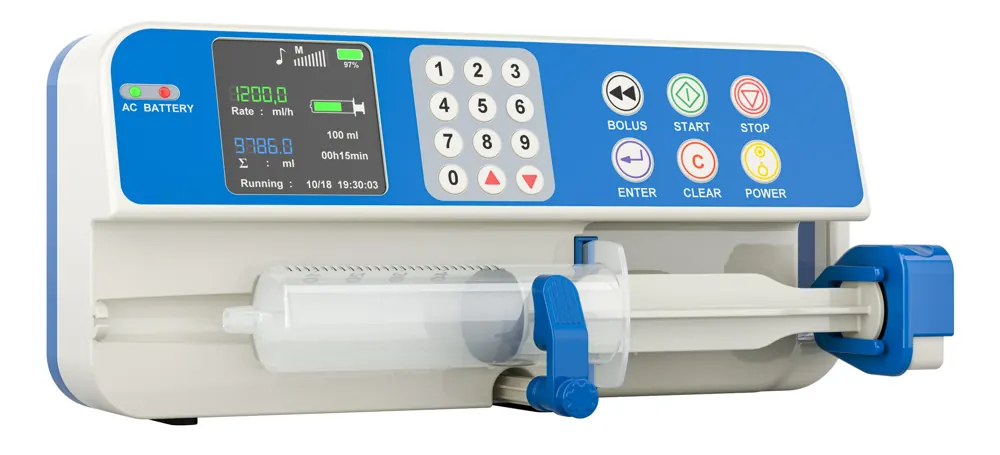
This equipment is used to deliver liquid nutrients and hydration to the patients.
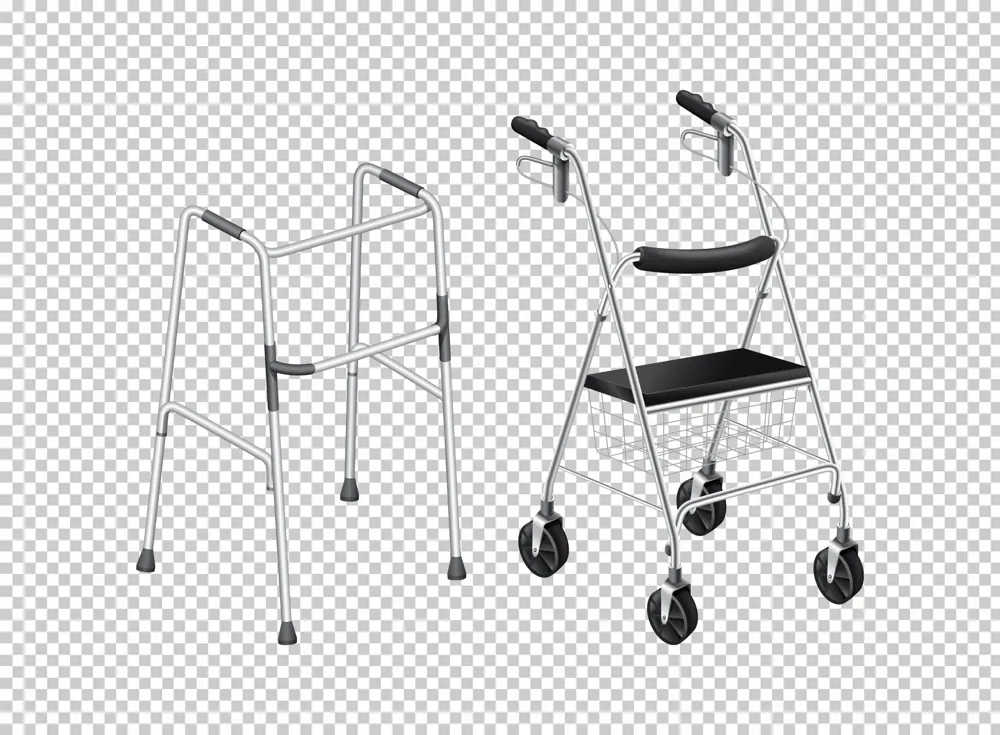
Mobility support for uneven surfaces to enhance walking stability.
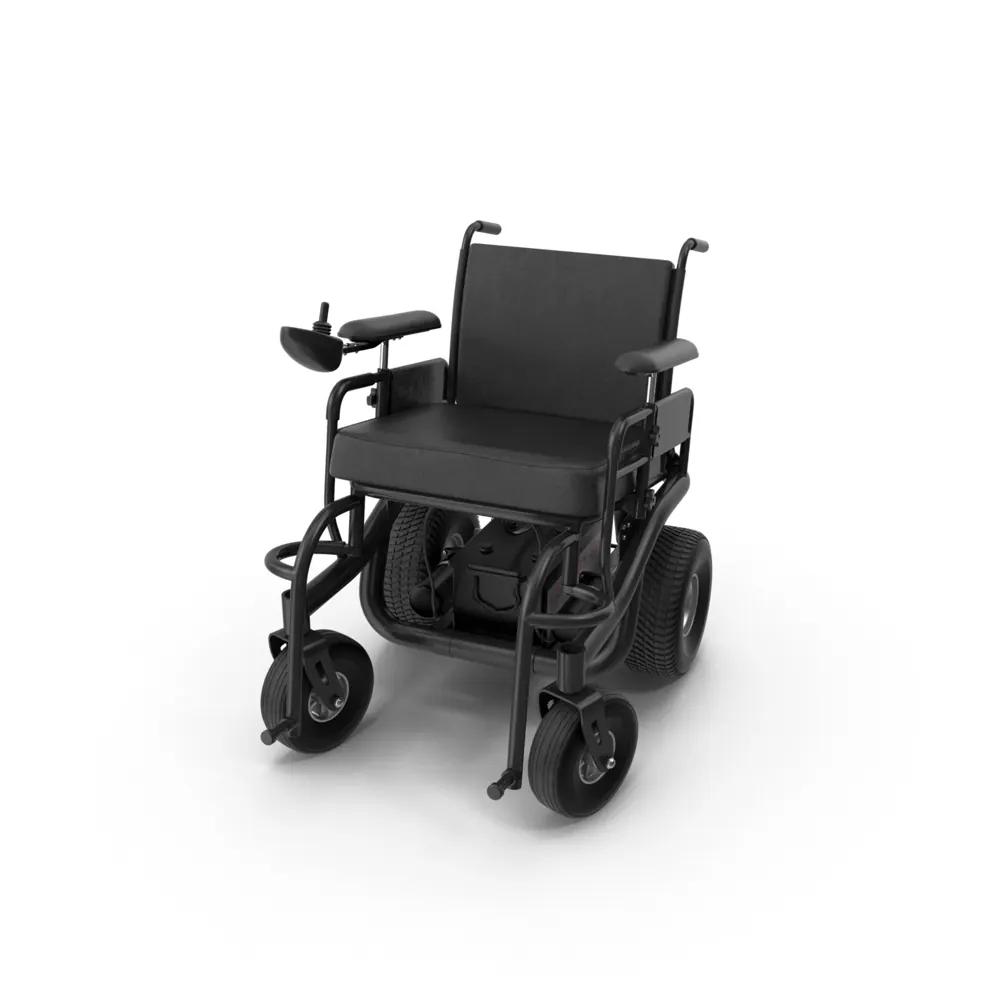
Manual (self-propelled) and electric (motorised) versions help people with limited mobility.
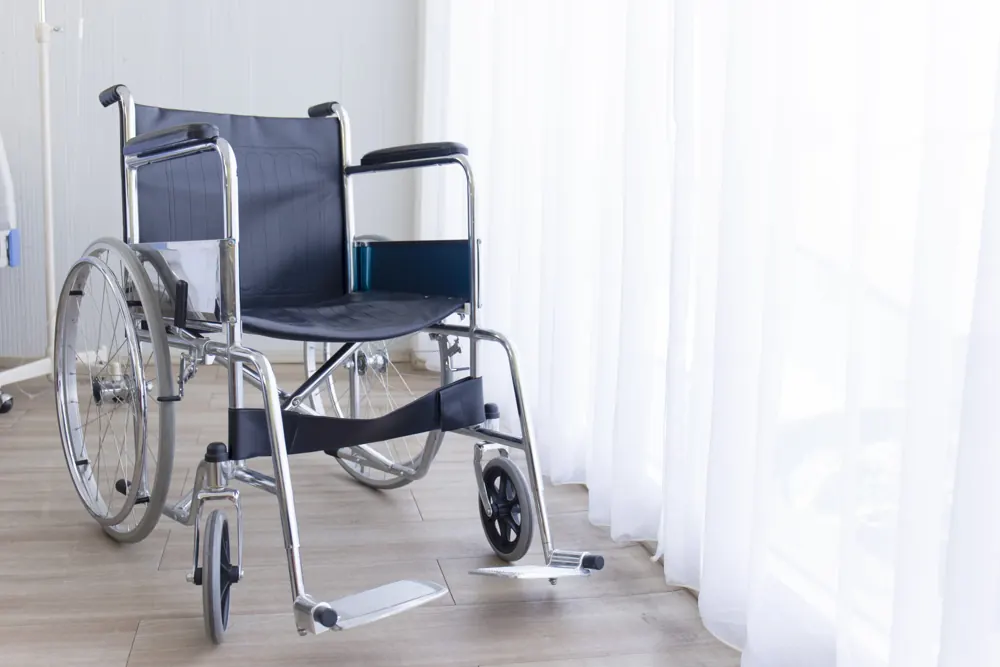
Lightweight portable chairs for moving individuals short distances.
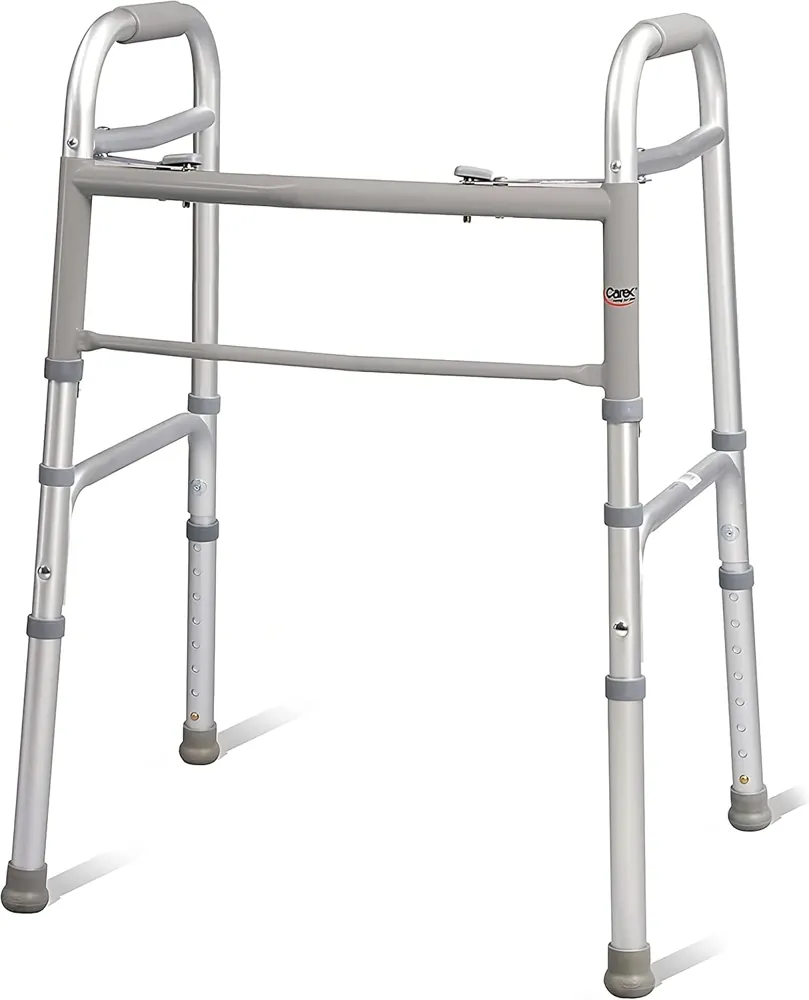
Provide additional support to individuals while reducing the risk of falls.
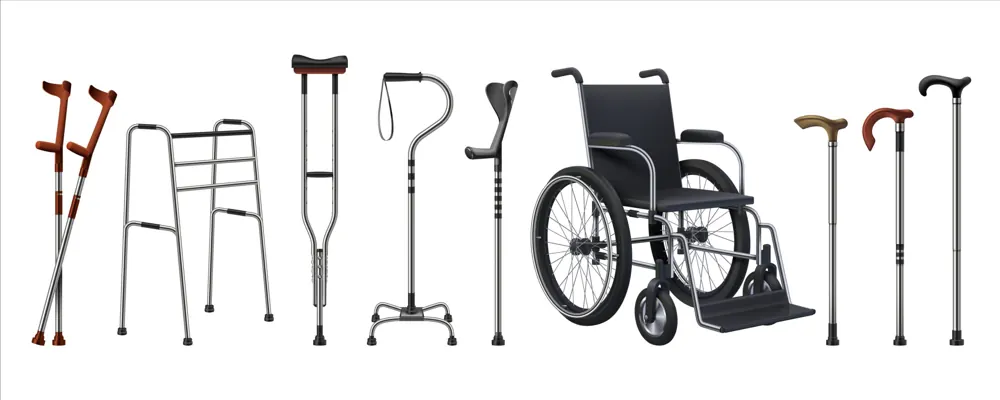
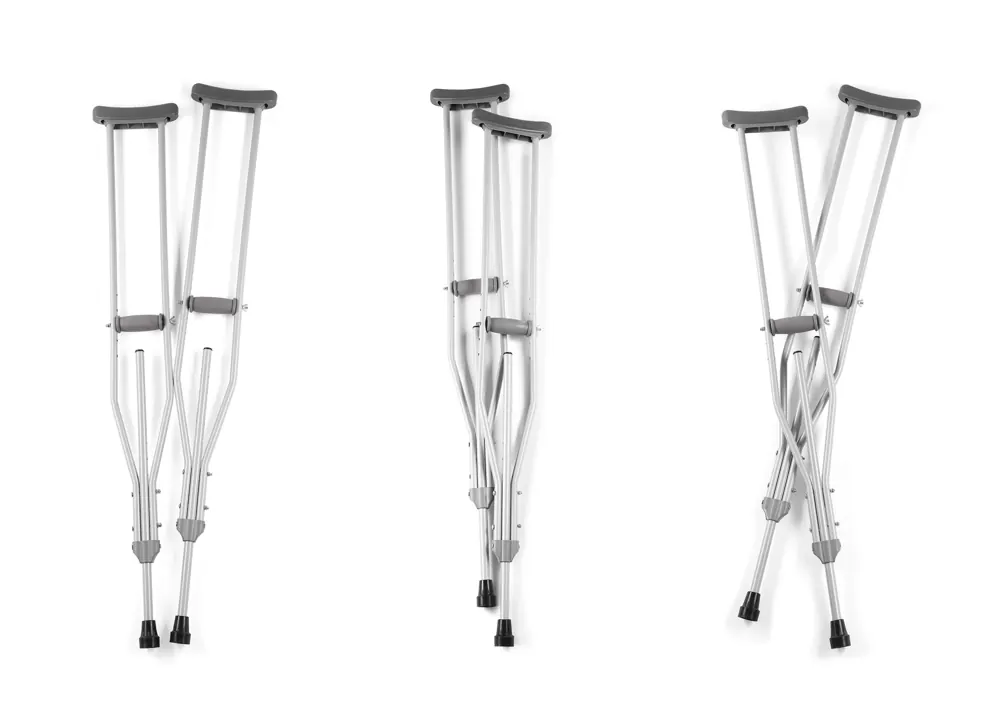
Mobility aid for injuries and impairments to help maintain balance.
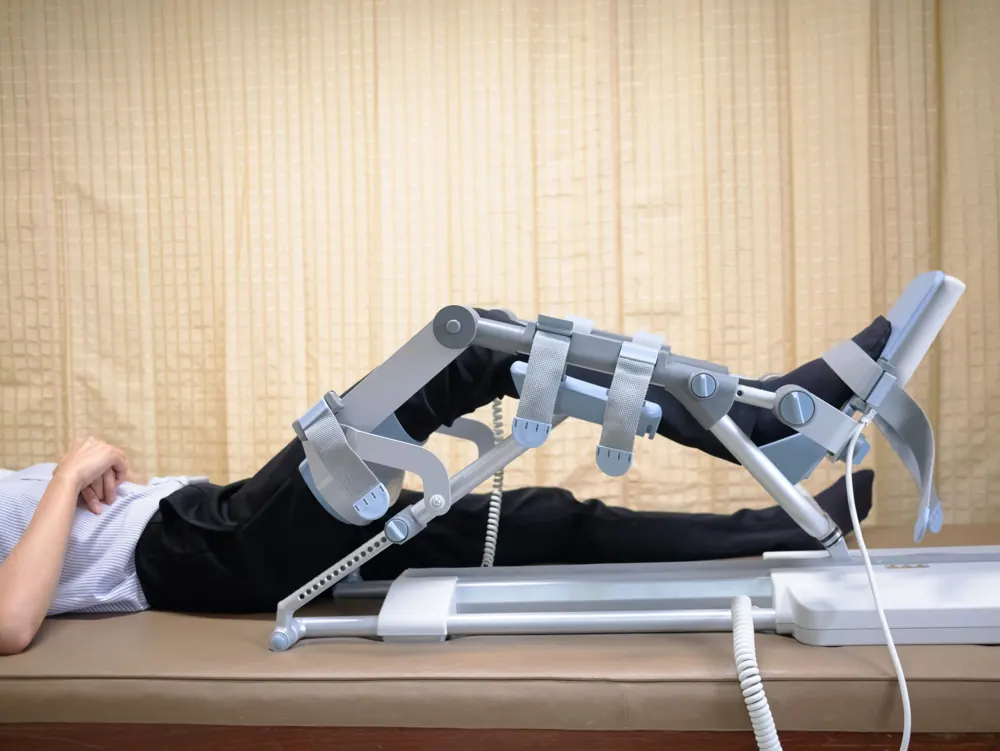
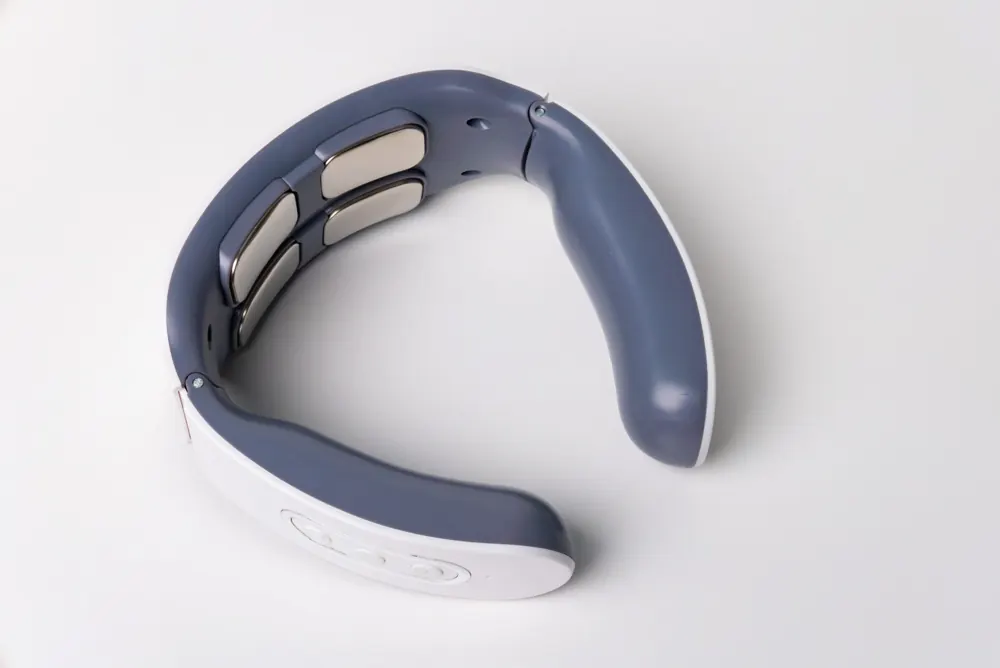
Used to massage shoulders to relieve stiffness and pain using various massage techniques.
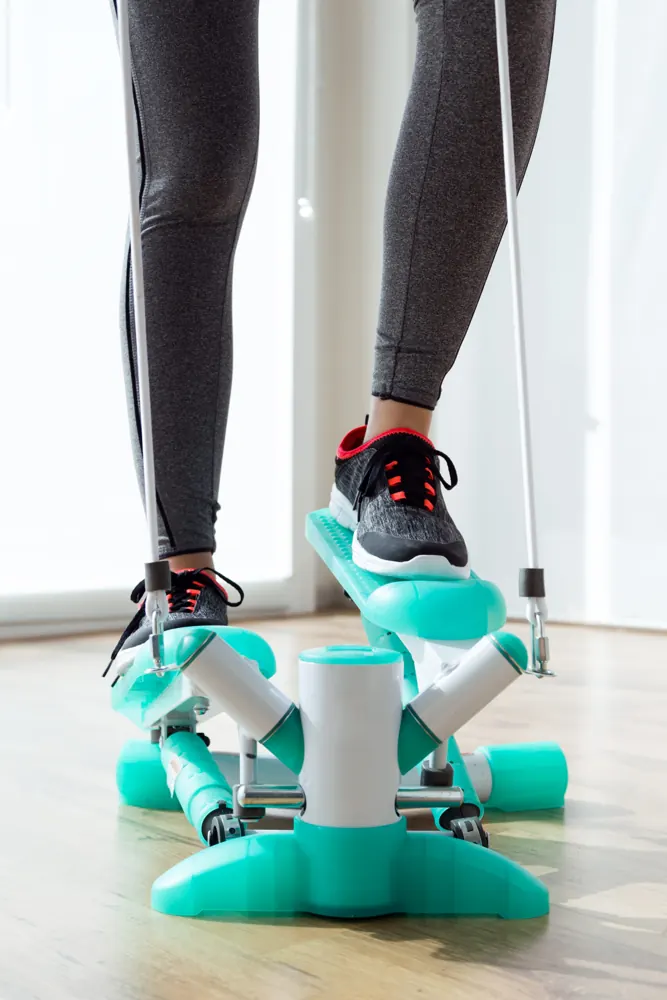
Portable exercise device for light workouts with pedals to improve circulation.

A basic need of patients for treatment and care with manual mechanisms.
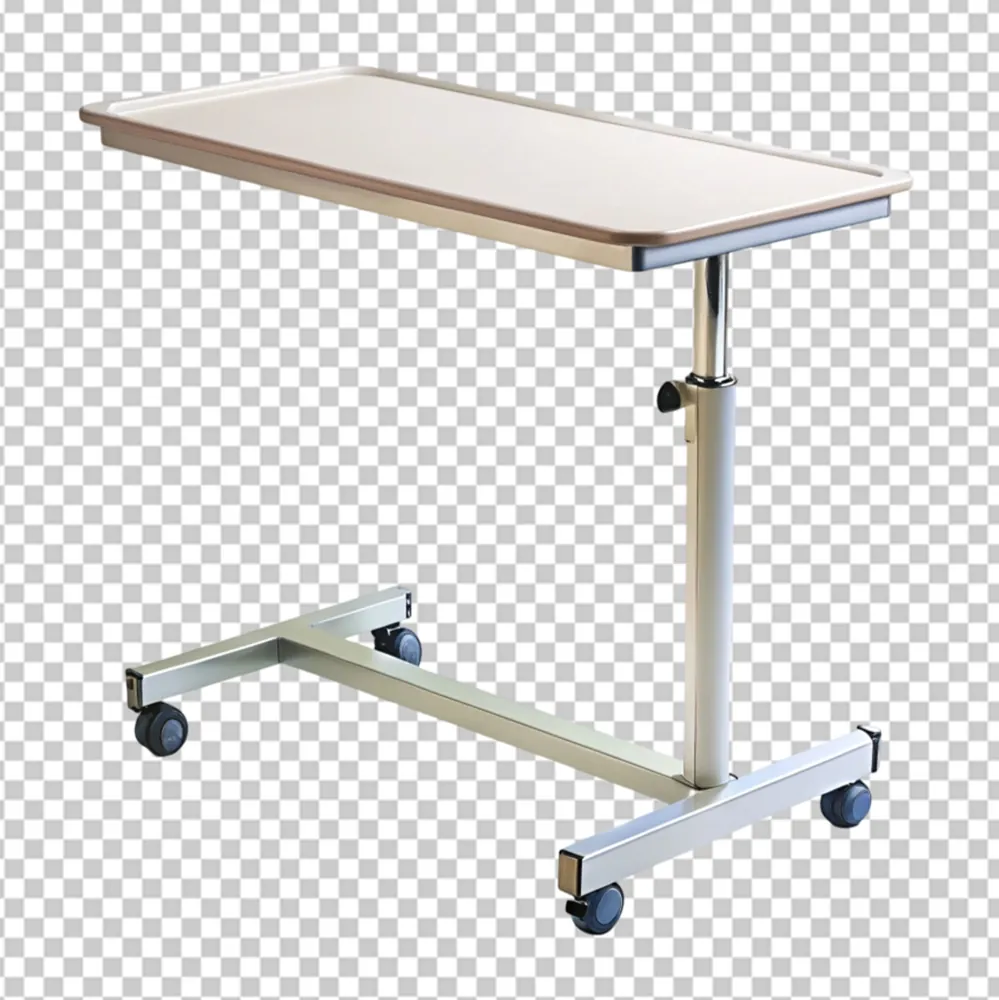
Create a space for eating, drinking, gaming, and using a laptop on a flat surface.
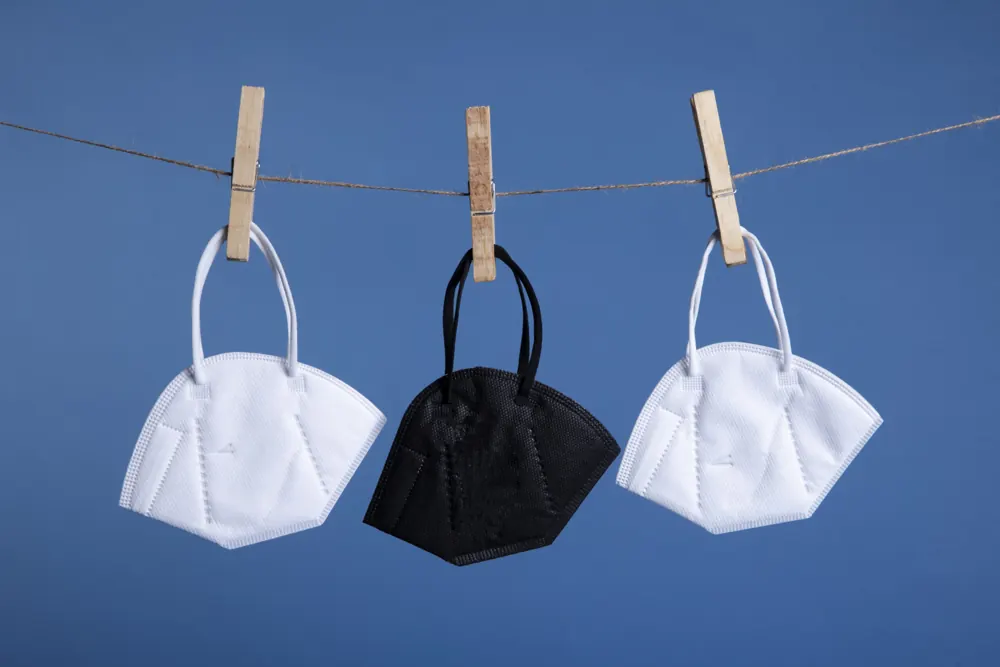
Masks such as nebuliser, nasal, pillow, full face, non-rebreather, and oxygen masks deliver oxygen or medication.
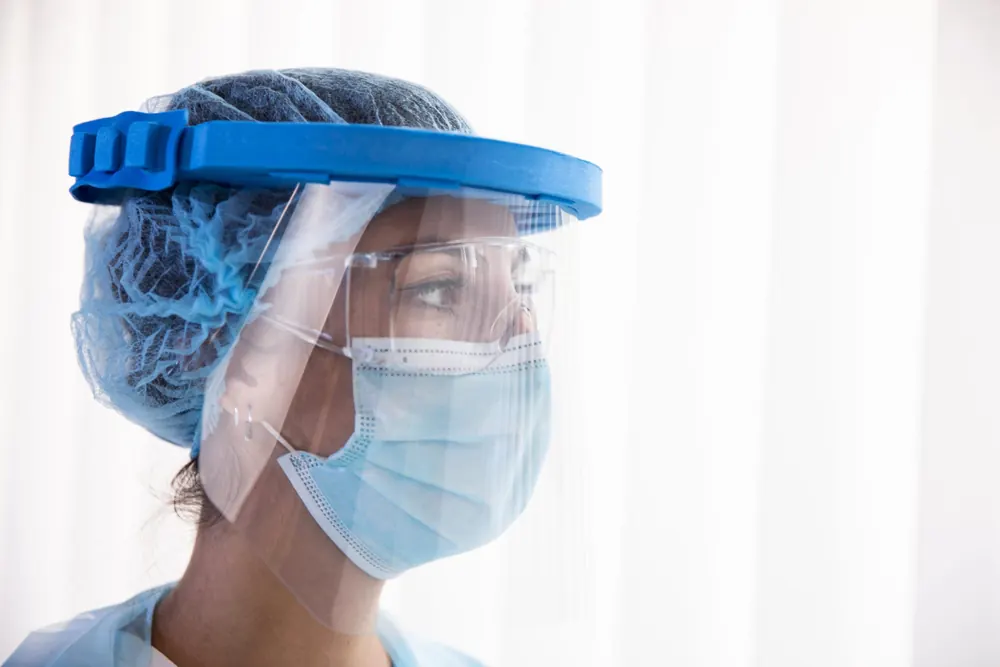
A supportive device worn on the head, often used with masks or helmets to secure and provide comfort during medical procedures.
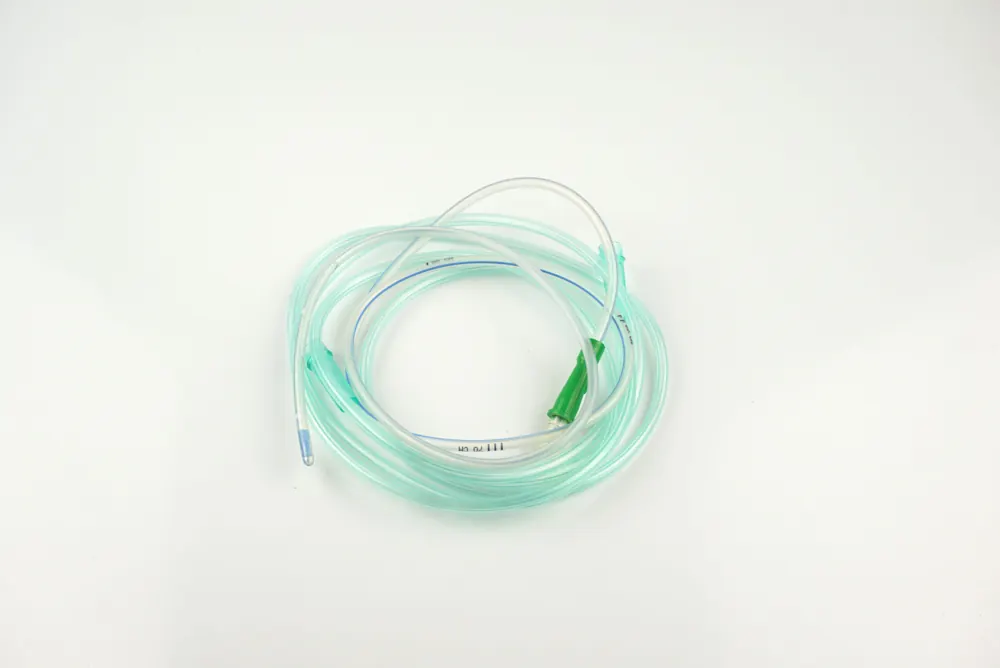
A small tube inserted into the body to deliver fluids, gases, or medication, used in oxygen therapy or intravenous treatments.
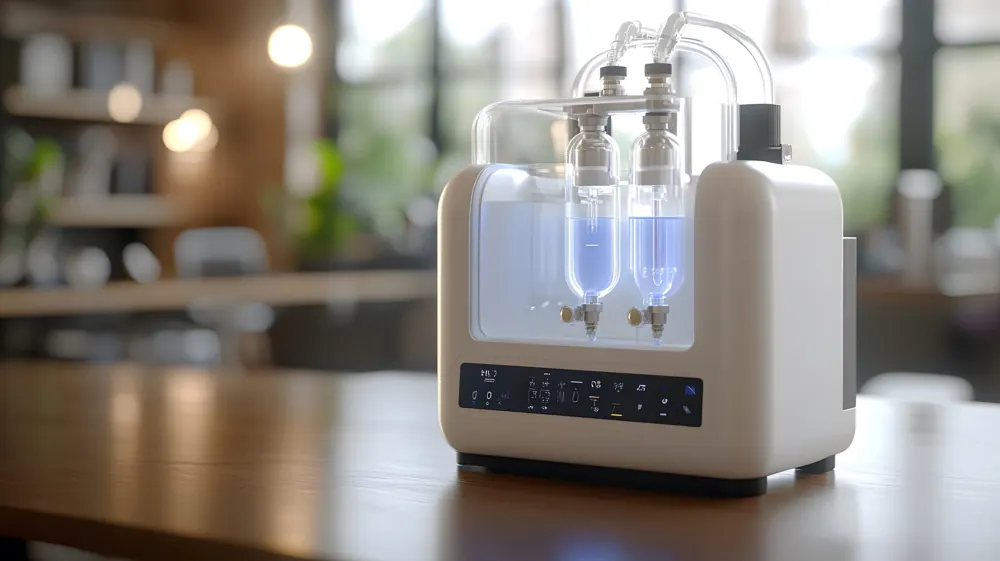
A humidifier adds moisture to the air, prevents dryness in the respiratory system, and boosts comfort for respiratory patients.
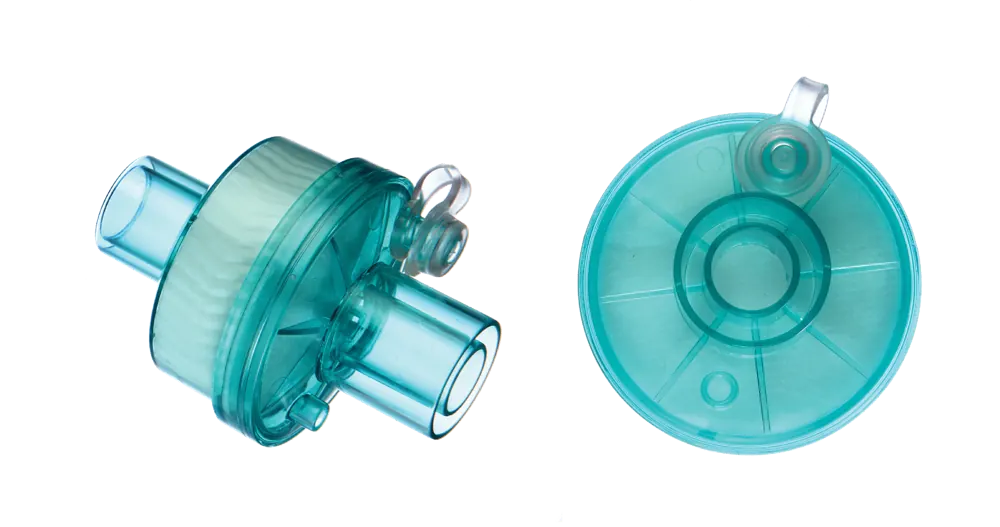
Filters are devices used to remove impurities or contaminants from air or fluids, ensuring safe and clean medical treatments.
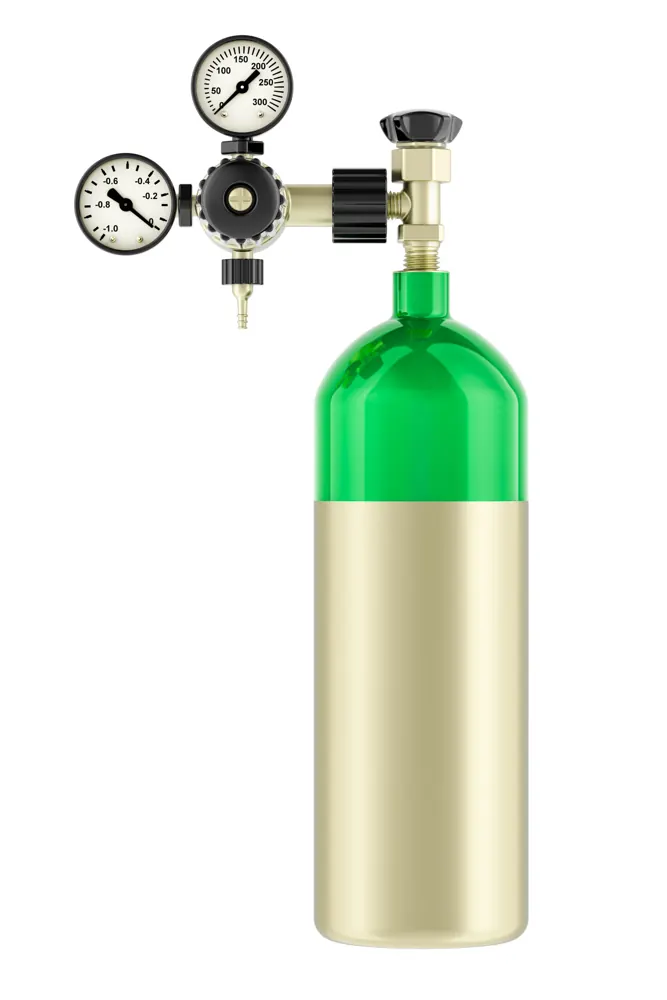
Oxygen tanks store compressed oxygen for medical use, providing oxygen to patients with respiratory problems or in emergencies.
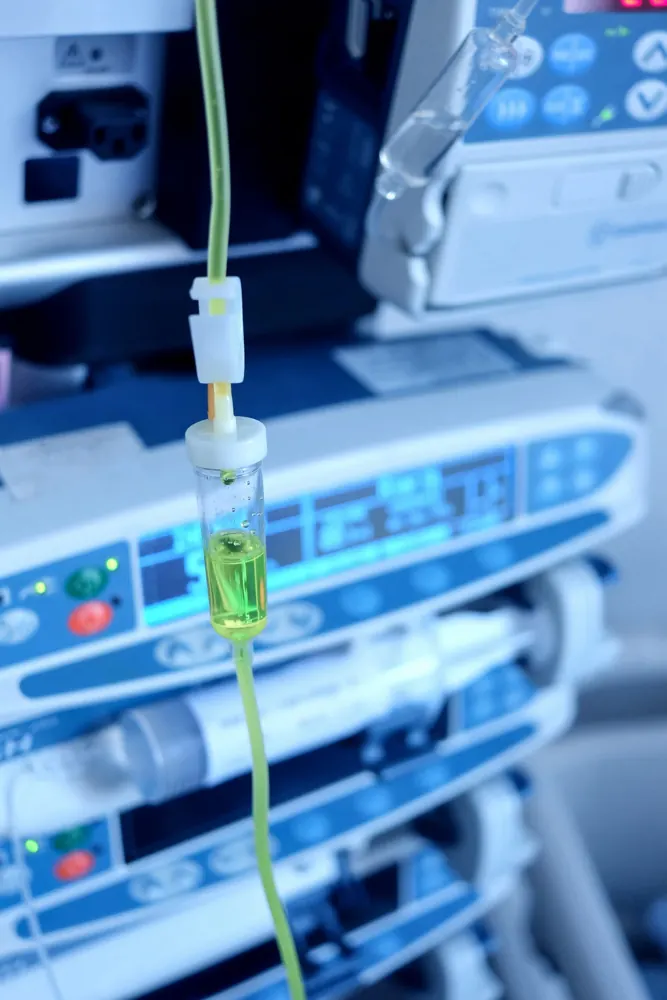
Connectors are used to join various medical equipment parts, ensuring safe and secure delivery of oxygen, fluids, or medications.
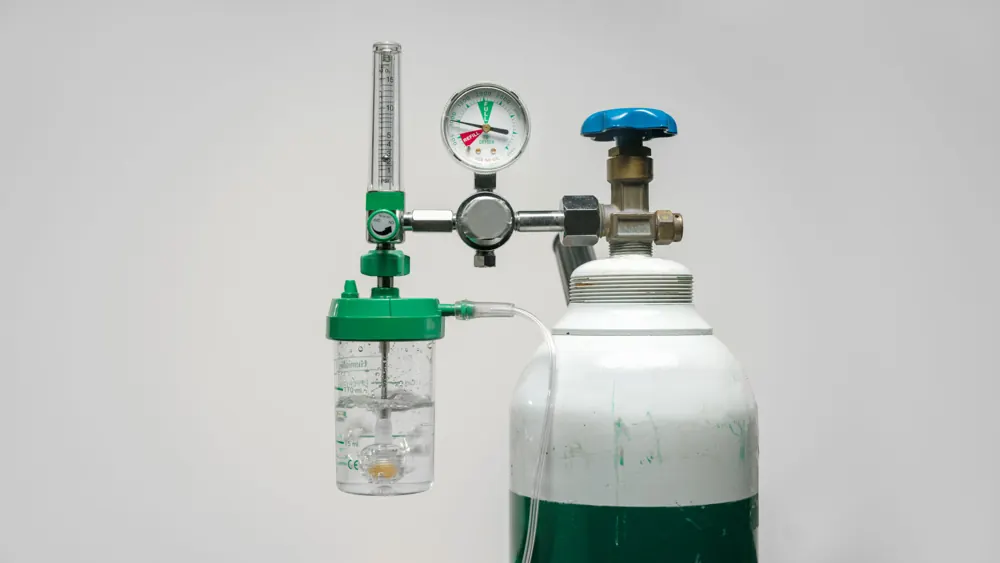
An oxygen cylinder regulator controls the flow of oxygen from the cylinder to the patient and delivers oxygen at the required pressure.

Tubes are flexible, hollow medical devices used to transport oxygen, fluids, or medications to and from the body for delivery in treatment.
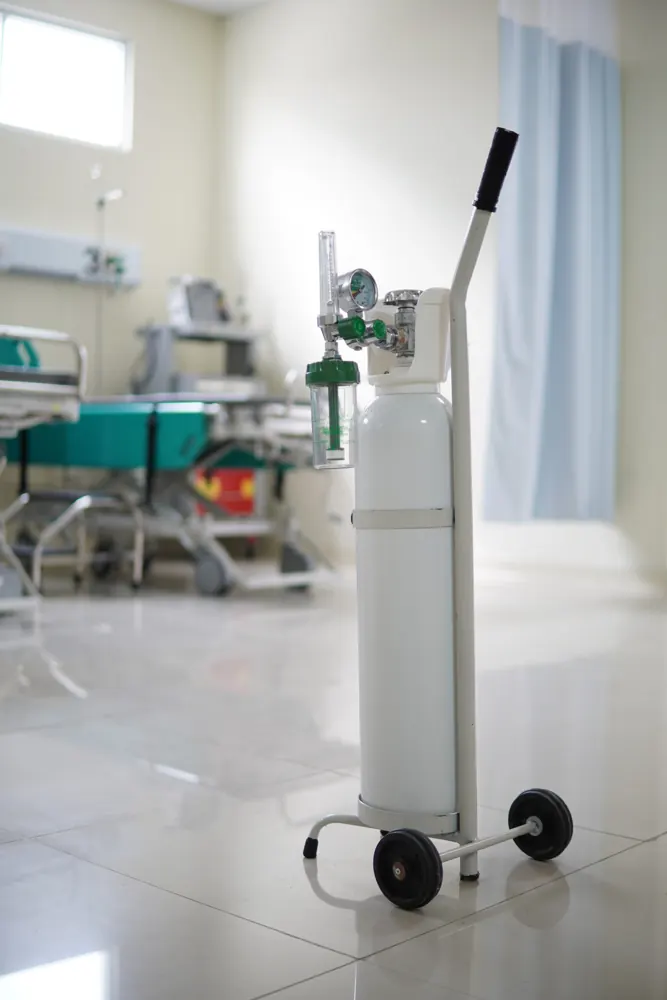
The trolley is similar to a mobile cart used to carry and transport oxygen concentrators, making movement easier and more accessible for patients.
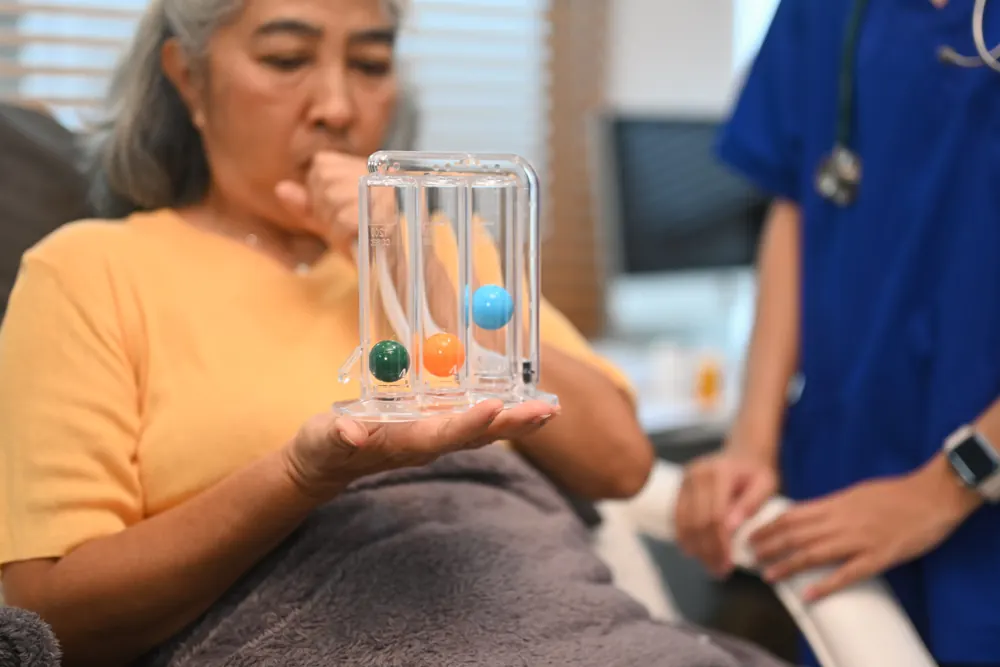
Spirometers are used to measure lung function by assessing air volume and flow during breathing, providing a diagnosis of respiratory conditions.
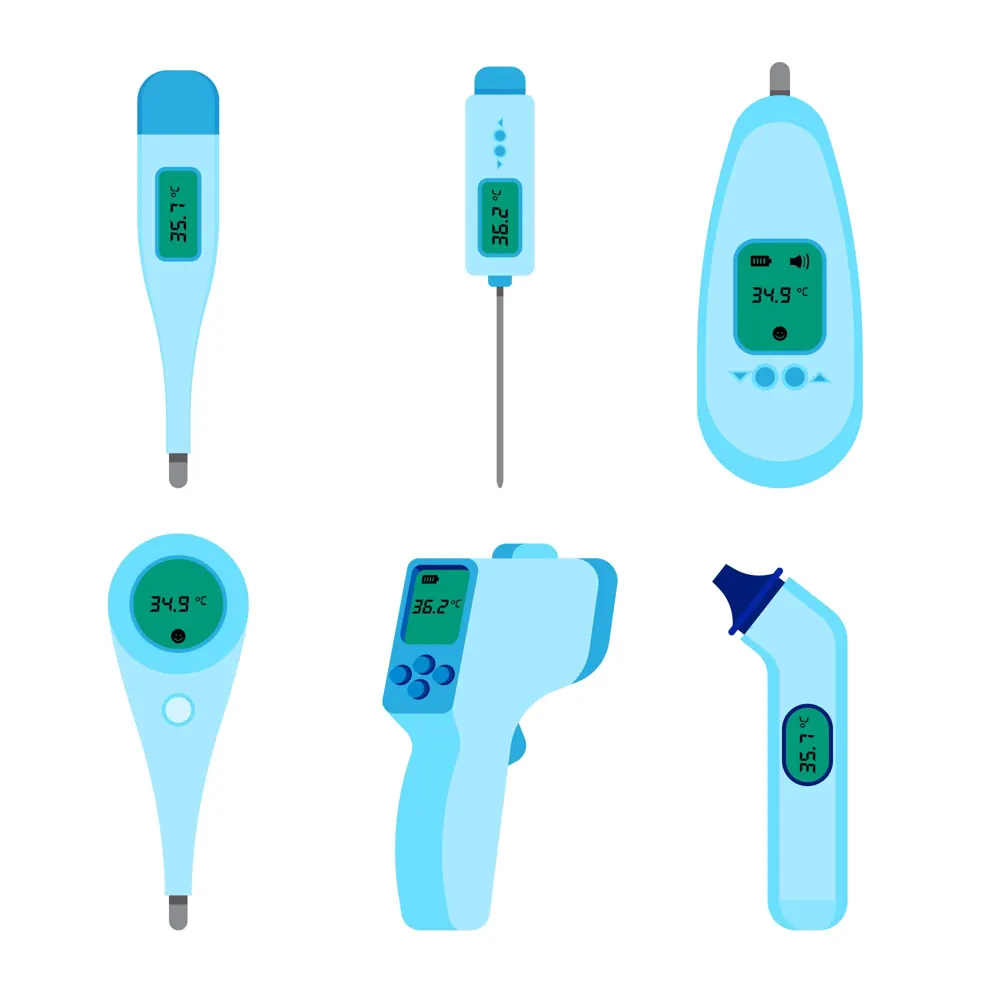
Sensors detect physical changes, such as oxygen levels or heart rate, providing real-time data to monitor patient health and guide treatment decisions.
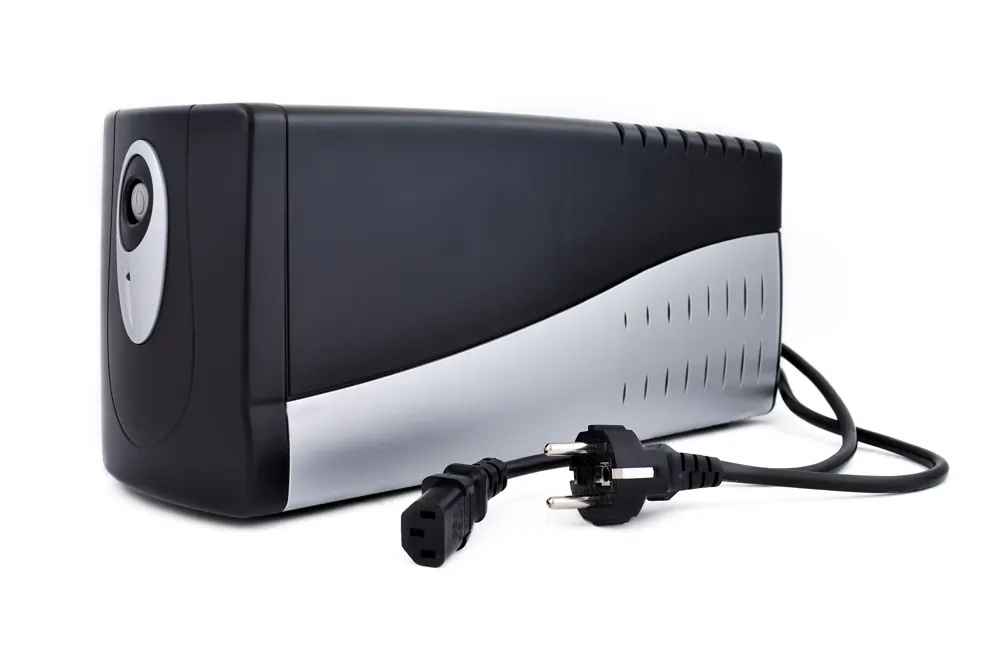
A portable UPS for non-invasive respiratory machines provides a reliable power supply, preventing treatment disruptions during power outages.
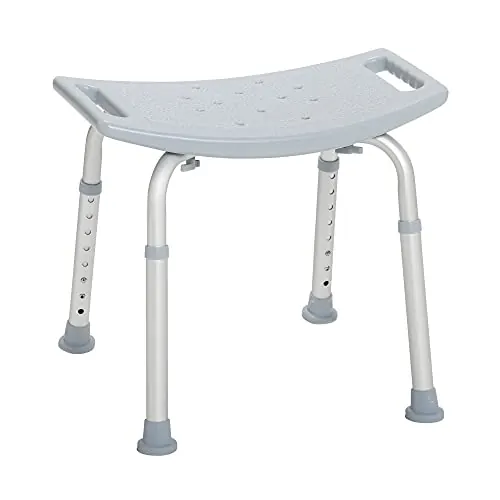
A shower chair or stool offers stability and comfort during bathing. Perfect for individuals with mobility challenges, it helps prevent slips and falls, ensuring a safe and relaxing shower experience.
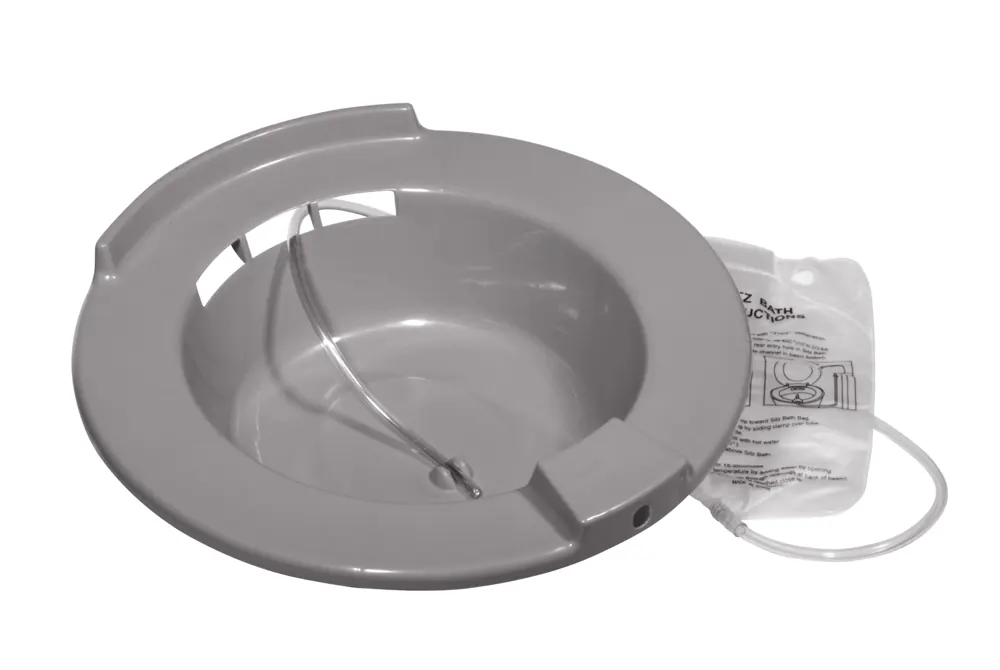
A Sitz bath is a therapeutic bath that involves sitting in warm water to relieve discomfort in the lower body. It helps soothe conditions like haemorrhoids, postpartum recovery, and pelvic pain.
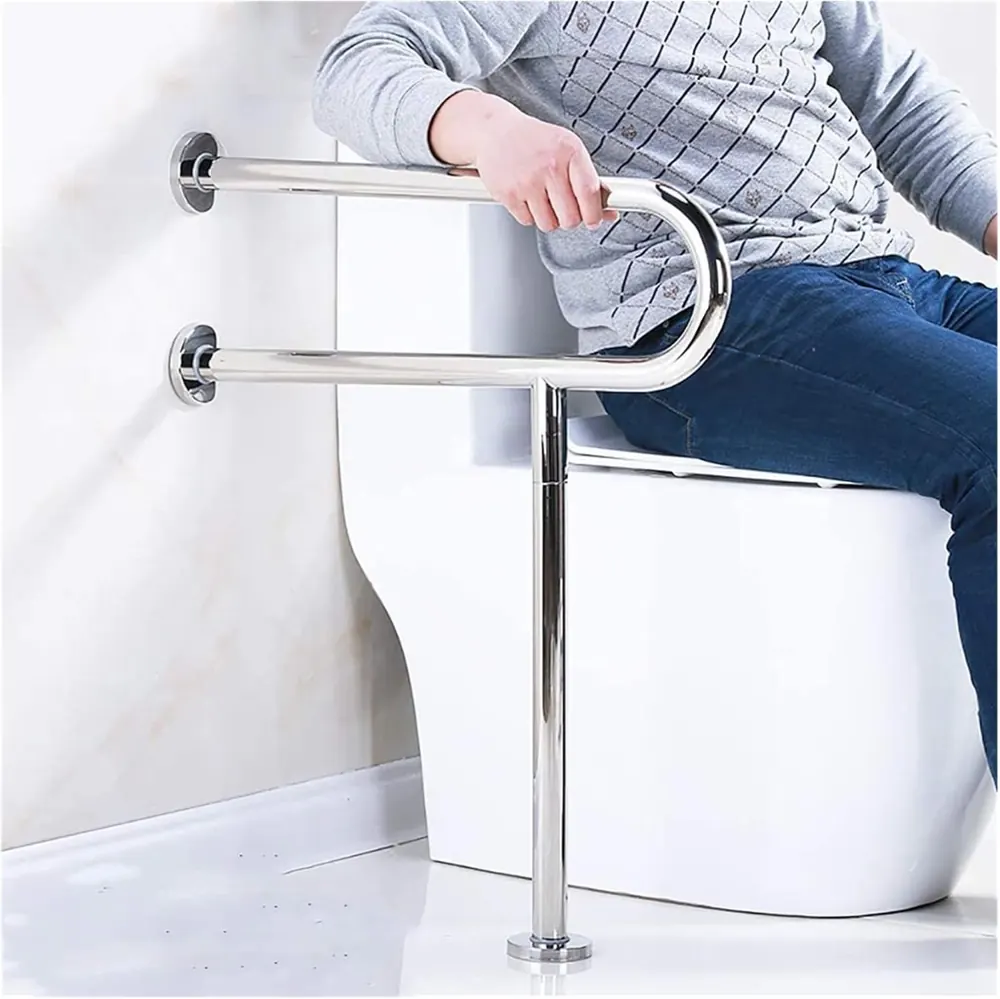
Grab bars are safety devices installed in bathrooms to offer support and stability. They help prevent falls and enhance balance, making it easier and safer to enter and exit the shower or bathtub.
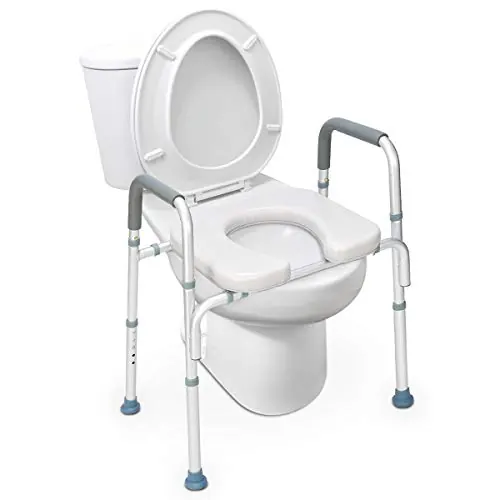
An elevated toilet seat offers extra height for easier sitting and standing. It assists individuals with mobility challenges, arthritis, or recovering from surgery to stay comfortable and safe in the bathroom.
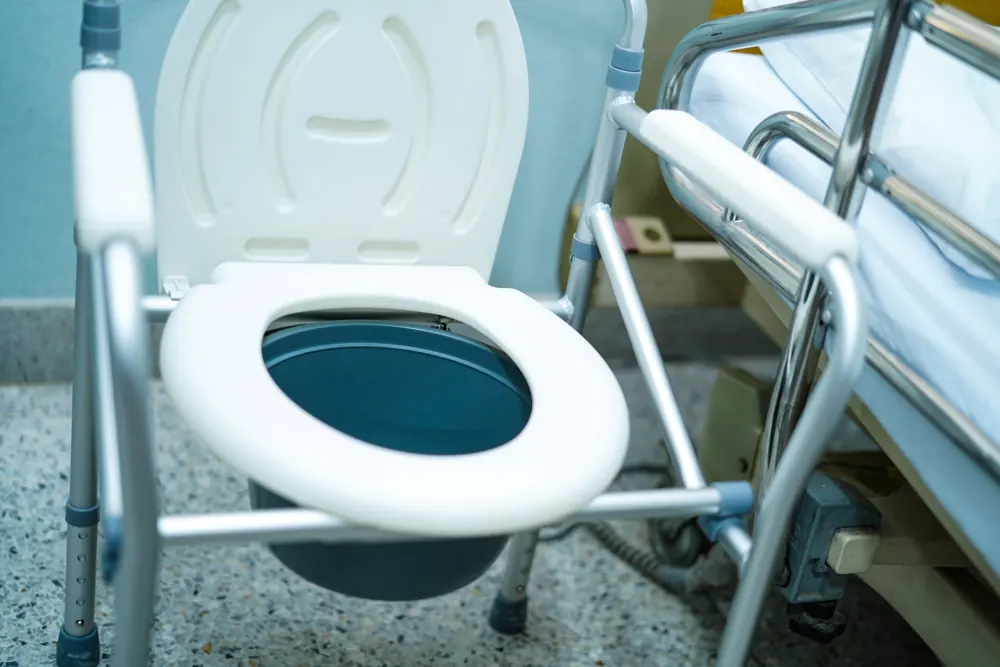
A bedside commode chair is a portable toilet solution for people with limited mobility. It provides comfort and convenience, enabling users to access a toilet easily without having to go to the bathroom.
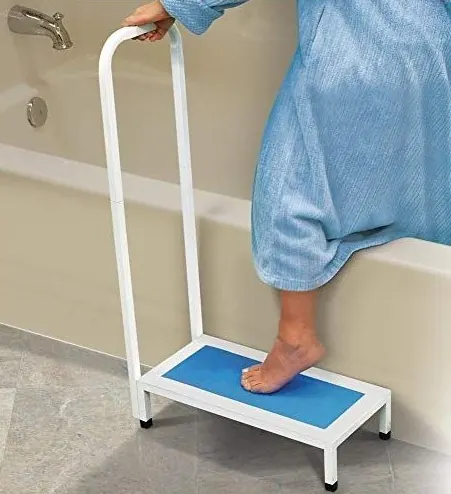
Bath steps are designed to offer a safer way to get in and out of the bathtub. They provide a stable platform, lowering the risk of slips and falls for people with limited mobility or those recovering from surgery.
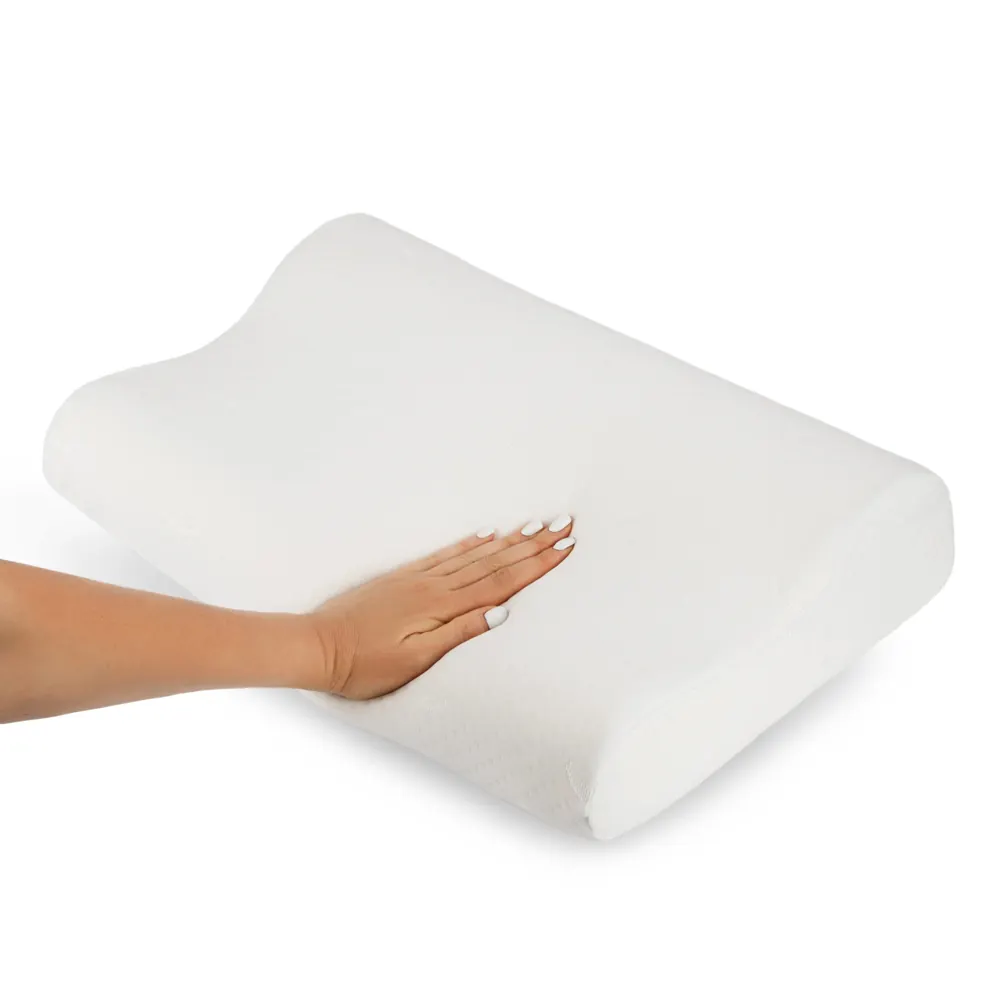
Medical pillows are designed to offer support and comfort for patients during recovery. They help minimize pressure points, assist in proper alignment, and encourage restful sleep in medical environments.
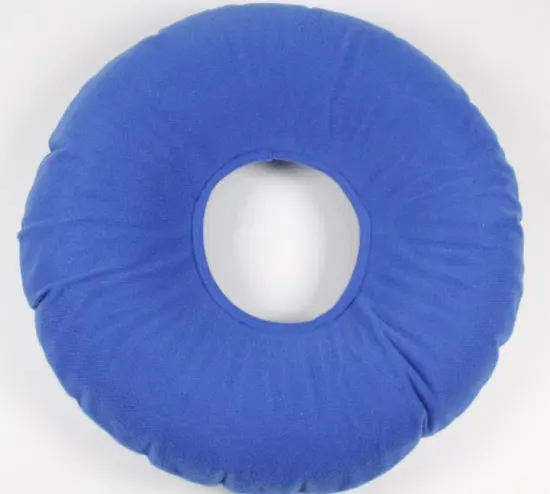
A cushion is a round pad that helps lessen pressure on the lower body and supports people with hemorrhoids or those recovering from surgery. It provides comfort by encouraging good sitting posture.
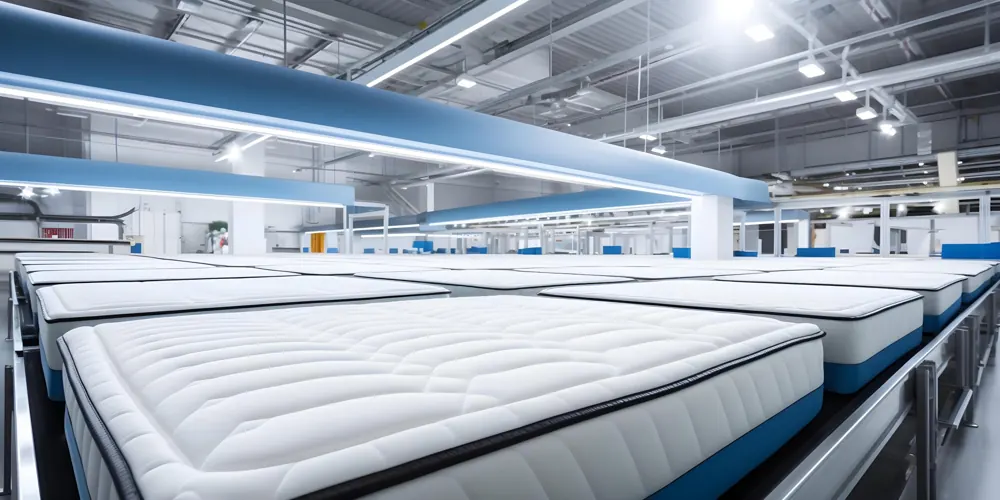
Medical mattresses provide comfort and support for patients who are bedridden after surgery. They help prevent pressure sores by evenly distributing body weight and promoting proper body alignment.
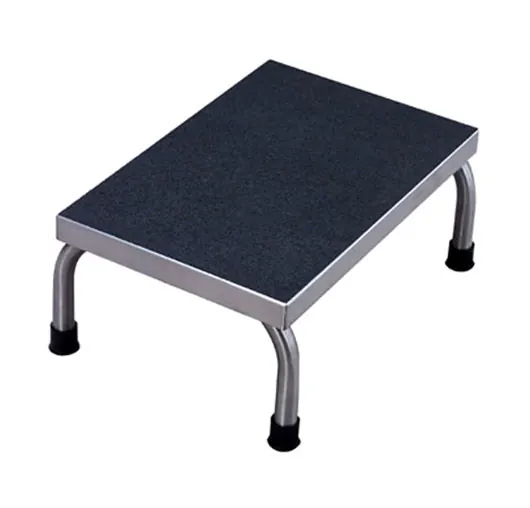
Small, supportive pieces of furniture are used to reduce pressure on the lower legs. In medical settings, they help improve circulation, provide comfort, and support posture for recovering patients.
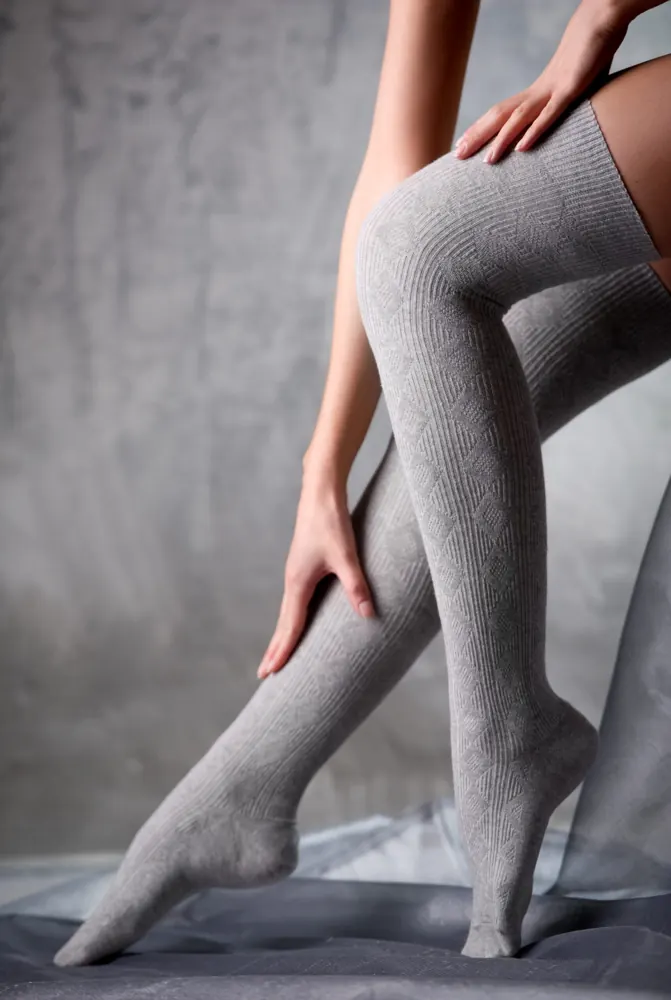
Orthopedic medical hosiery is specifically designed to support the legs and enhance circulation. It helps reduce pain caused by varicose veins, oedema, and other lower limb conditions.
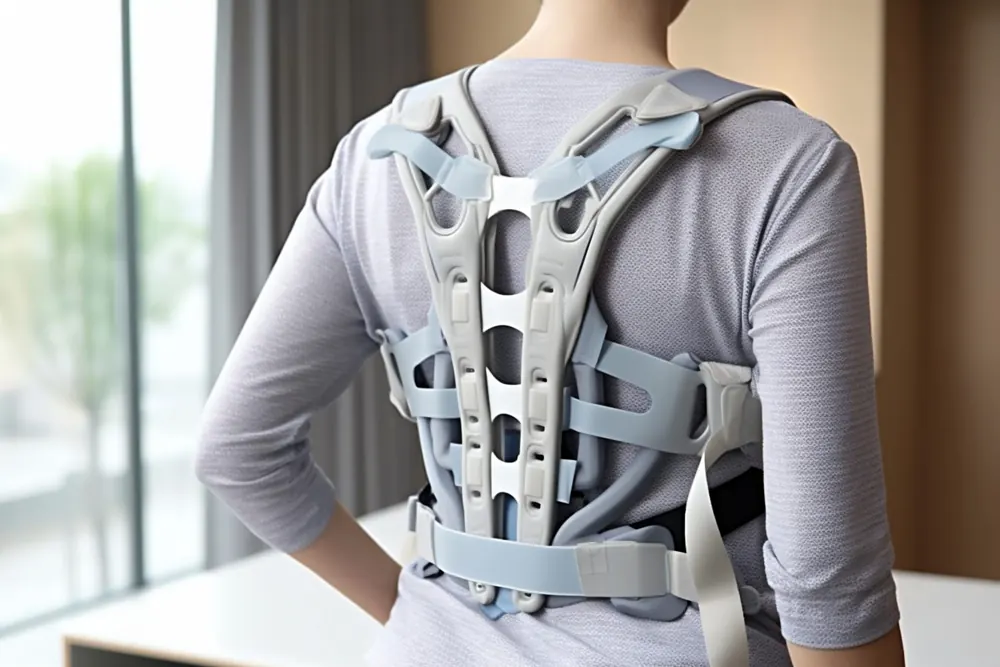
An orthopedic medical metal corset is a supportive device used to stabilize and align the spine, providing relief from back pain, fractures, and post-surgery recovery. It’s designed for comfort and durability.
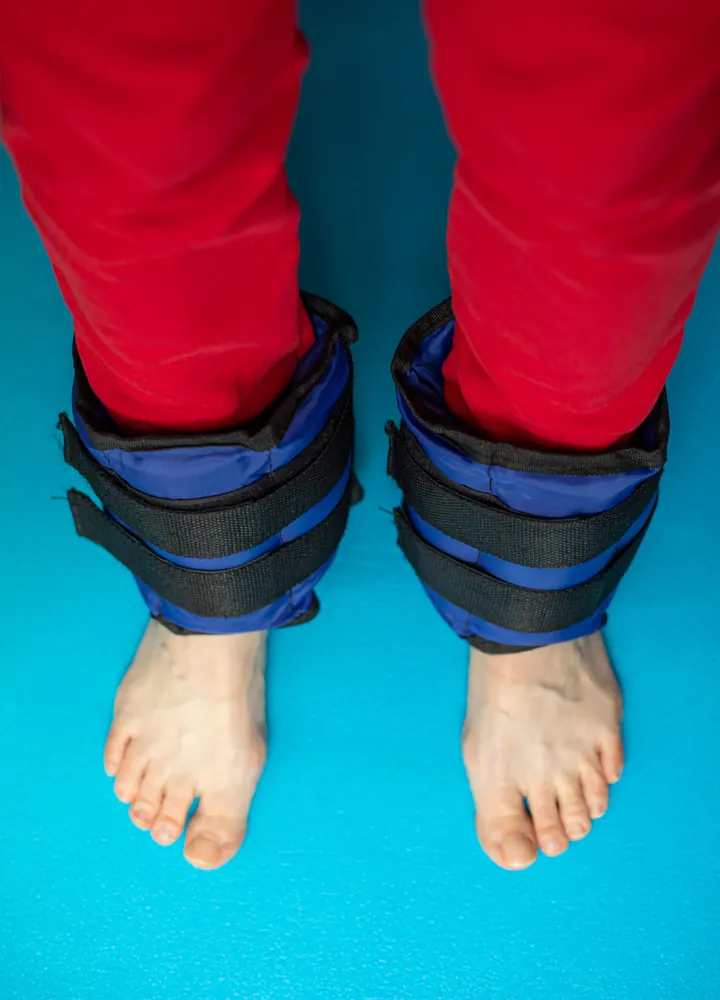
Ankle and wrist weights are adjustable gear used for strength training and rehabilitation. They add resistance to exercises, helping to build muscle, enhance endurance, and improve mobility.
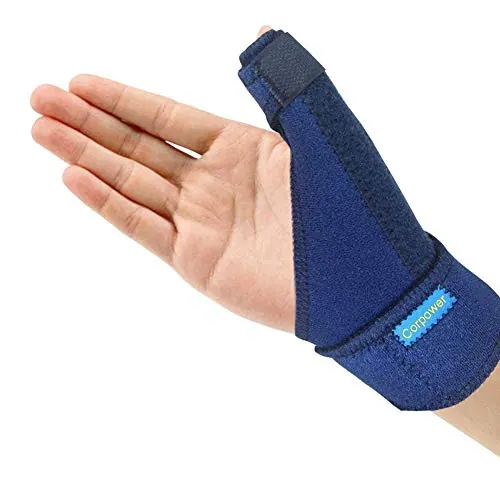
A thumb brace is designed to support and immobilise the thumb, helping in the recovery of injuries such as sprains, fractures, or tendinitis. It reduces pain and encourages healing.
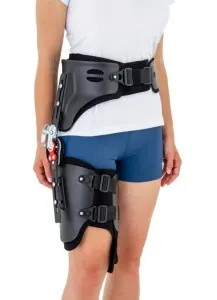
A hip brace offers support and stability to the hip joint, helping with recovery from injuries, surgery, or conditions like arthritis. It reduces pain, improves mobility, and stops further damage.
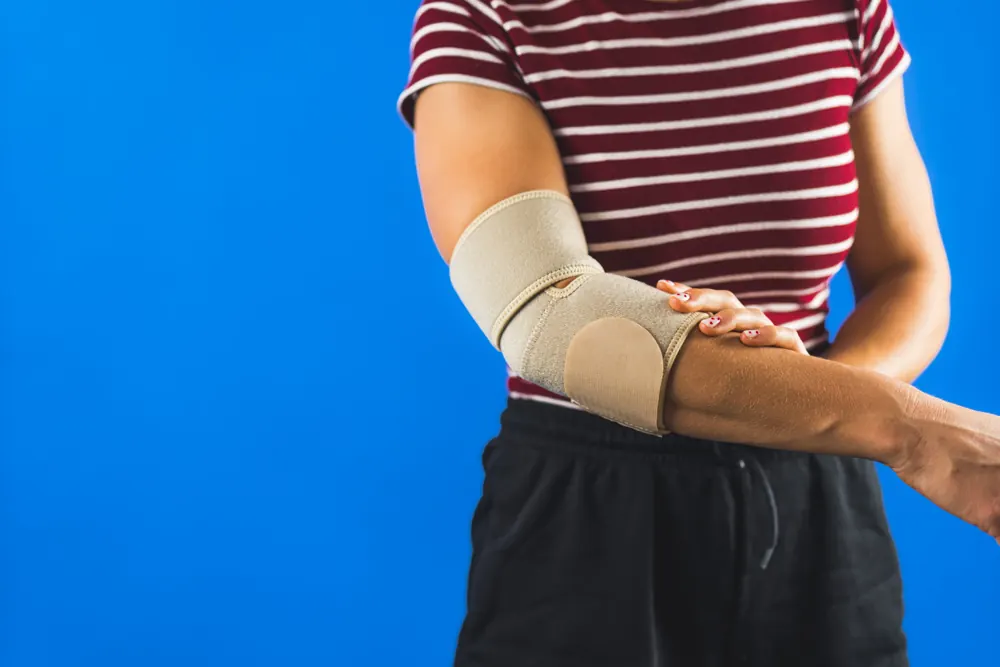
An elbow splint is a supportive device that immobilises the elbow joint to promote healing from injuries, strains, or surgeries. It helps reduce pain, prevent further damage, and support recovery.
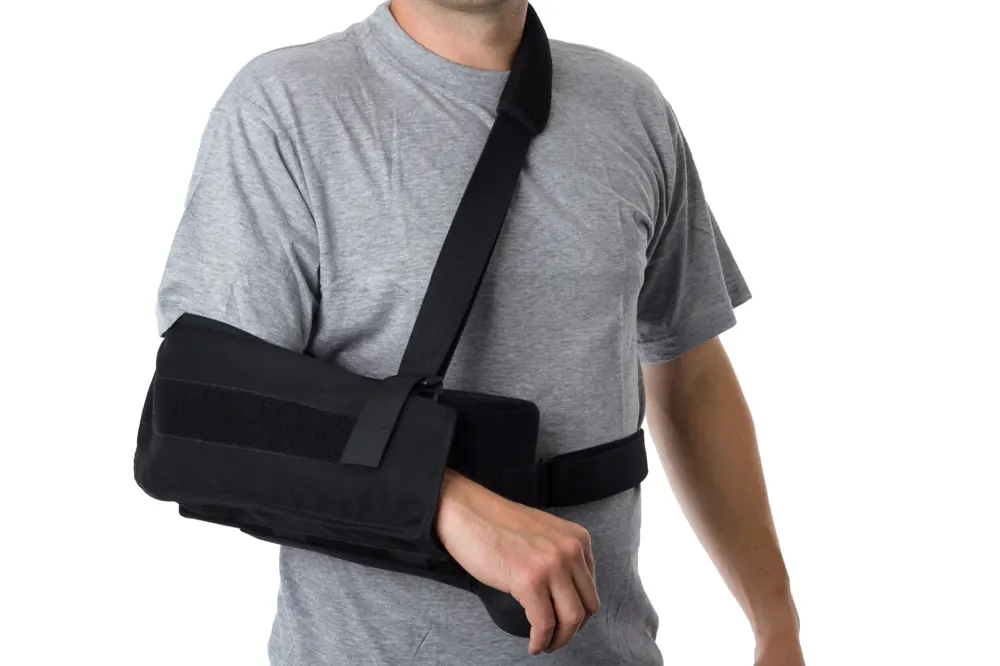
An arm sling is a supportive device used to immobilise and elevate the arm, helping to ease pain, support healing, and prevent further strain after injuries like fractures or sprains.
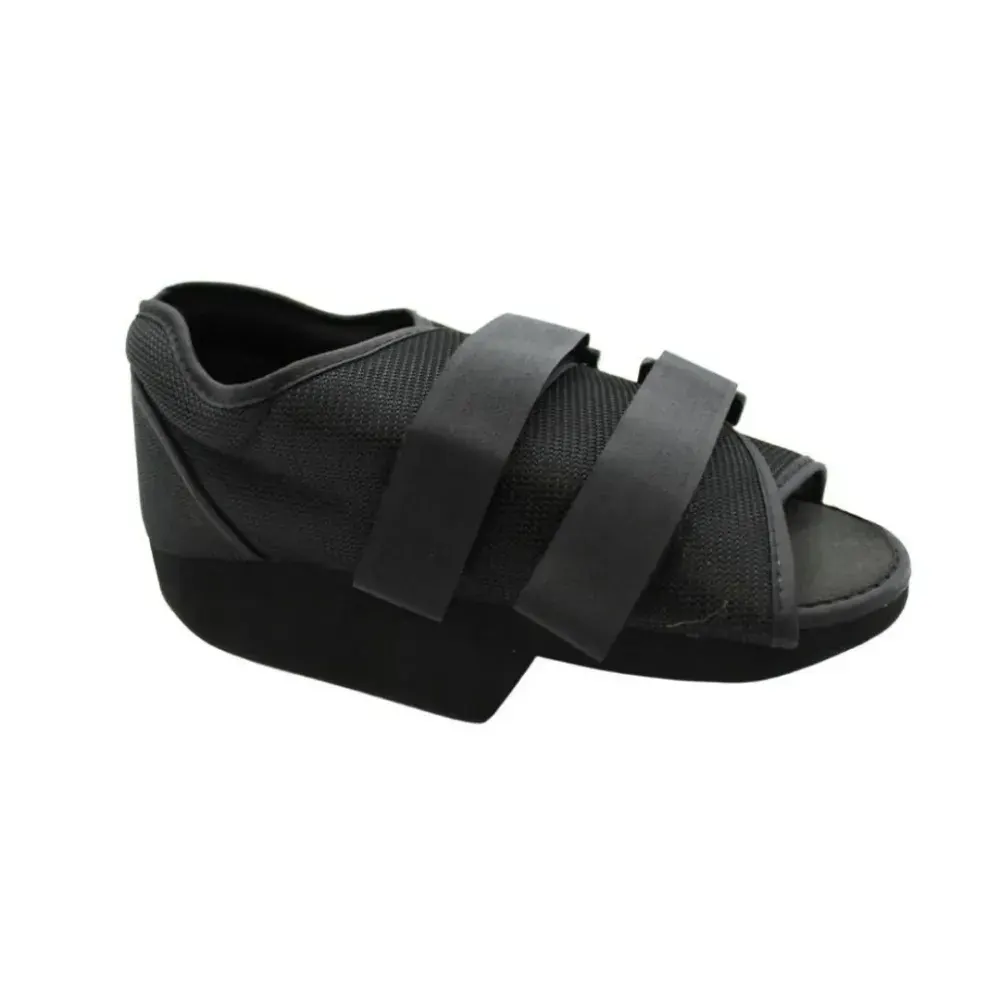
Barouk shoes are orthopedic footwear designed to offer comfort, support, and proper alignment. They are perfect for individuals with foot conditions, providing relief from pain and enhancing mobility.

An inflatable walking boot is a medical device used to immobilise and protect the foot or ankle following injury or surgery. It offers support, reduces swelling, and assists in the healing process.
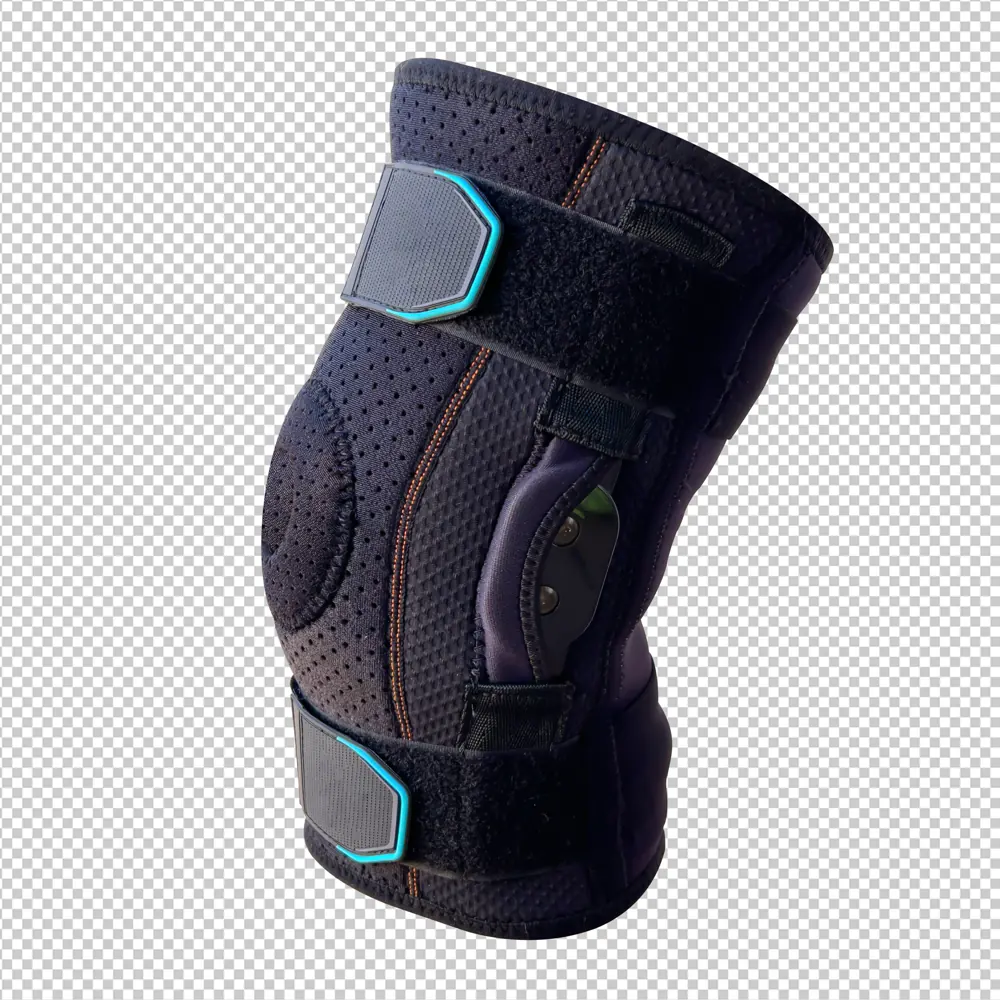
Elastic knee support offers compression and stability to the knee joint, helping to lessen pain and swelling from injuries or conditions like arthritis. It improves mobility and supports quicker recovery.
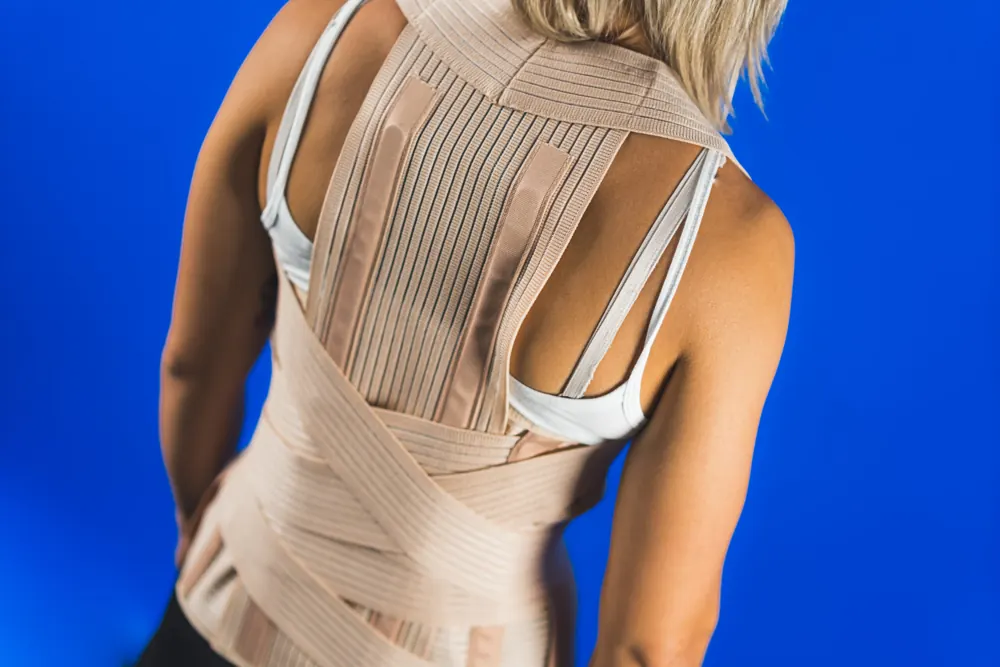
A post corrector is a device designed to improve posture by supporting the back and shoulders. It helps alleviate pain, reduce slouching, and promote proper alignment for better posture.

A cervical collar is a medical device used to support and immobilise the neck. It helps relieve pain from neck injuries, strains, or conditions like whiplash, promoting healing and preventing further damage.
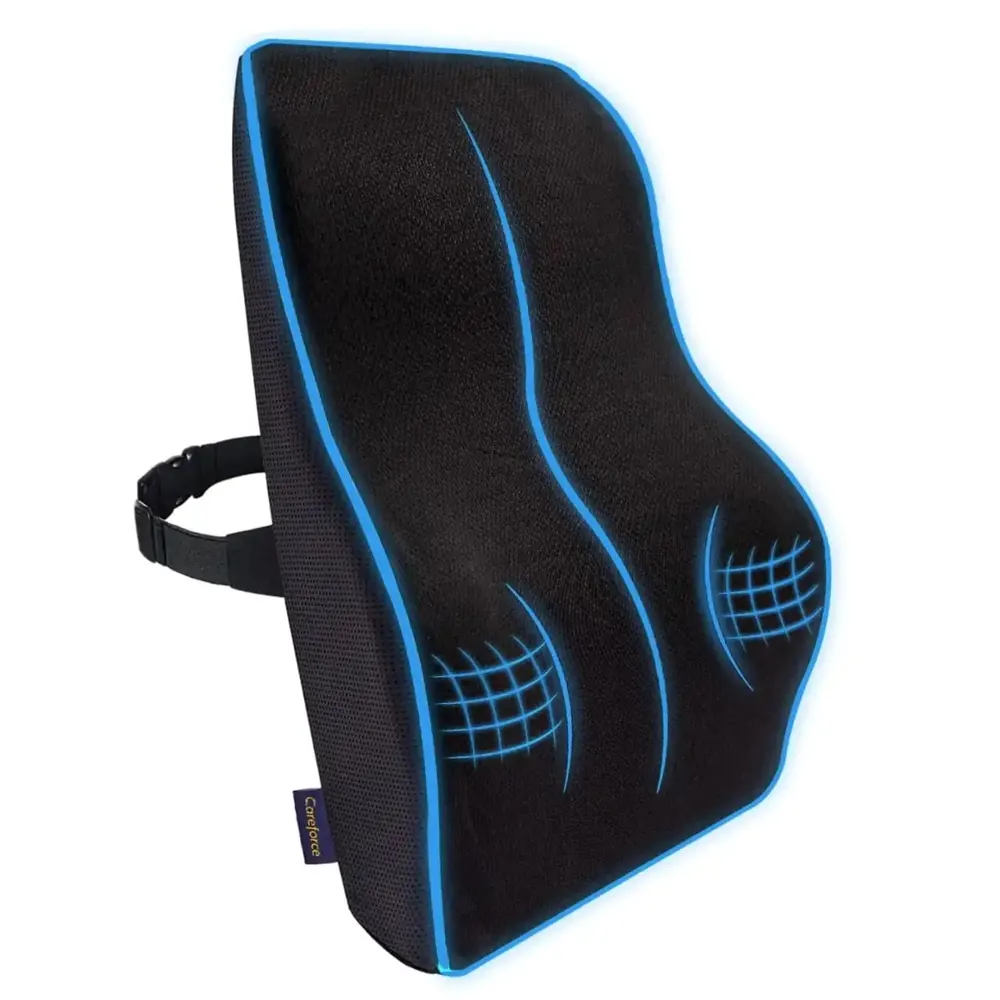
Seat and back support cushions are designed to provide comfort and promote proper posture while sitting. They help reduce back pain, decrease pressure on the spine, and encourage better alignment.
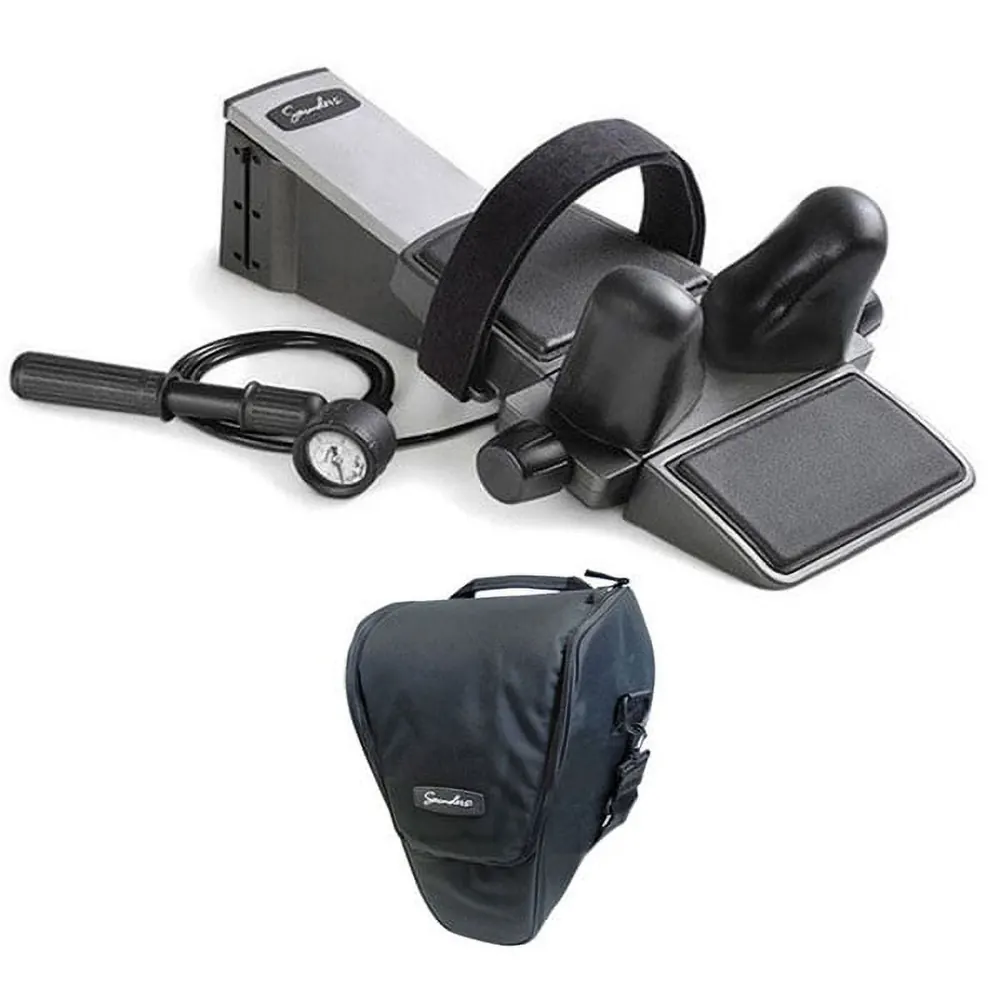
A traction device is used to apply controlled force to stretch and align the spine or joints, providing relief from pain and promoting healing in conditions like herniated discs or muscle strains.
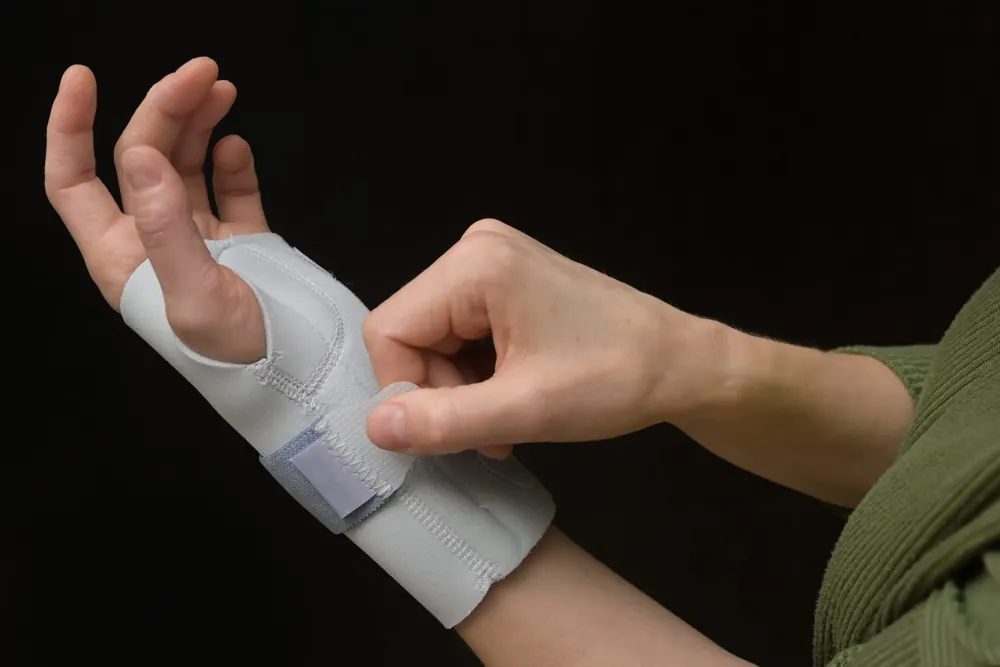
A wrist brace offers support and stability to the wrist, helping to relieve pain from injuries, strains, sprains, and conditions like carpal tunnel syndrome. It encourages healing and minimises discomfort.
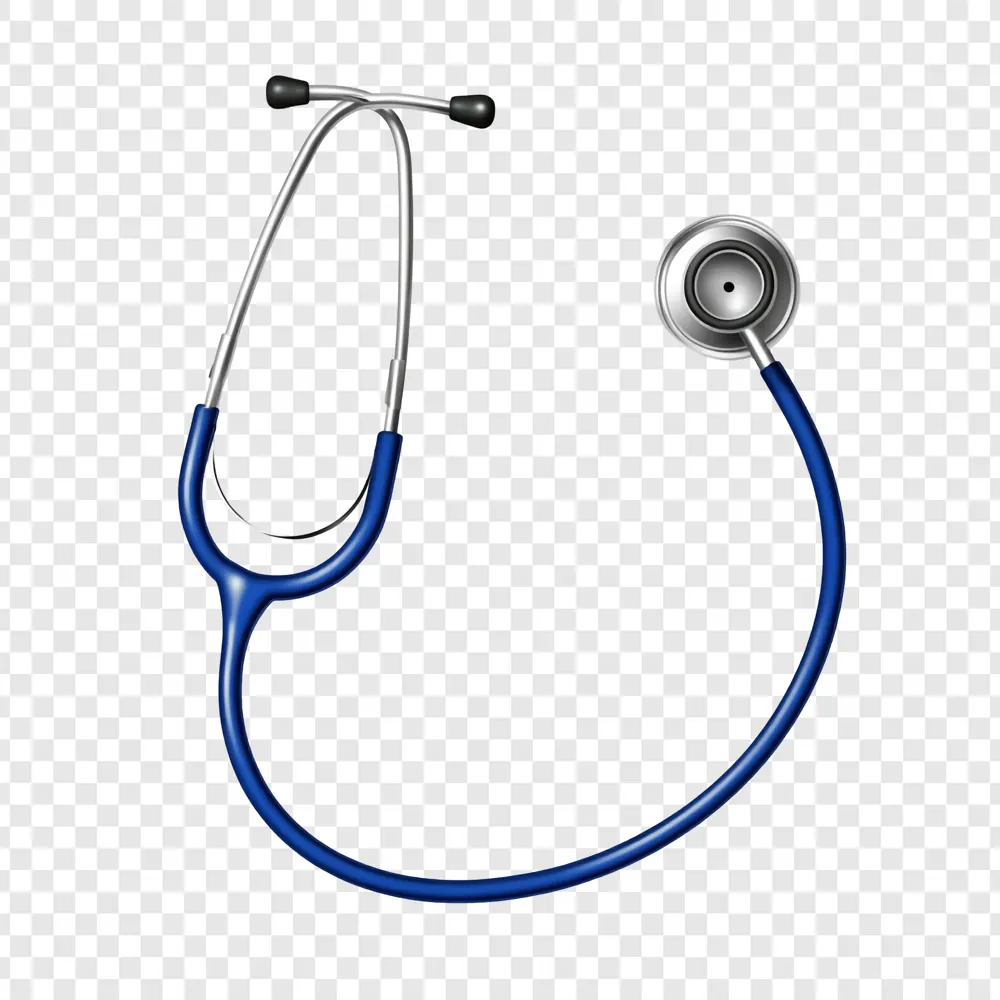
Stethoscopes are vital medical tools used by healthcare professionals to listen to heartbeats, lung sounds, and other bodily noises, assisting in diagnosing and monitoring various health conditions.
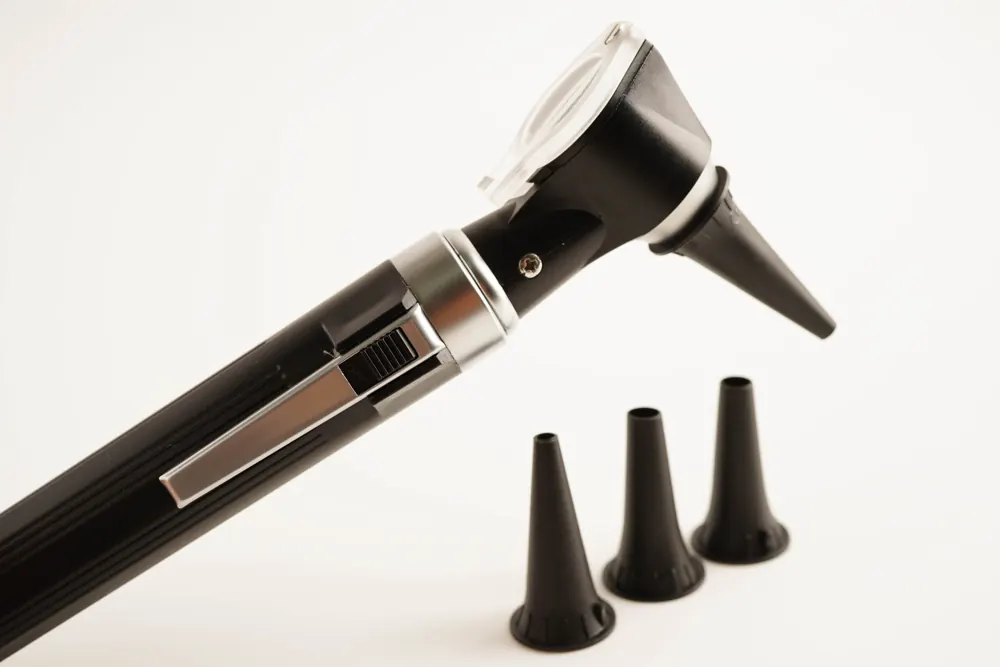
Otoscopes are medical instruments used by healthcare professionals to examine the ear canal and eardrum. They assist in diagnosing ear infections, hearing problems, and other ear-related conditions.
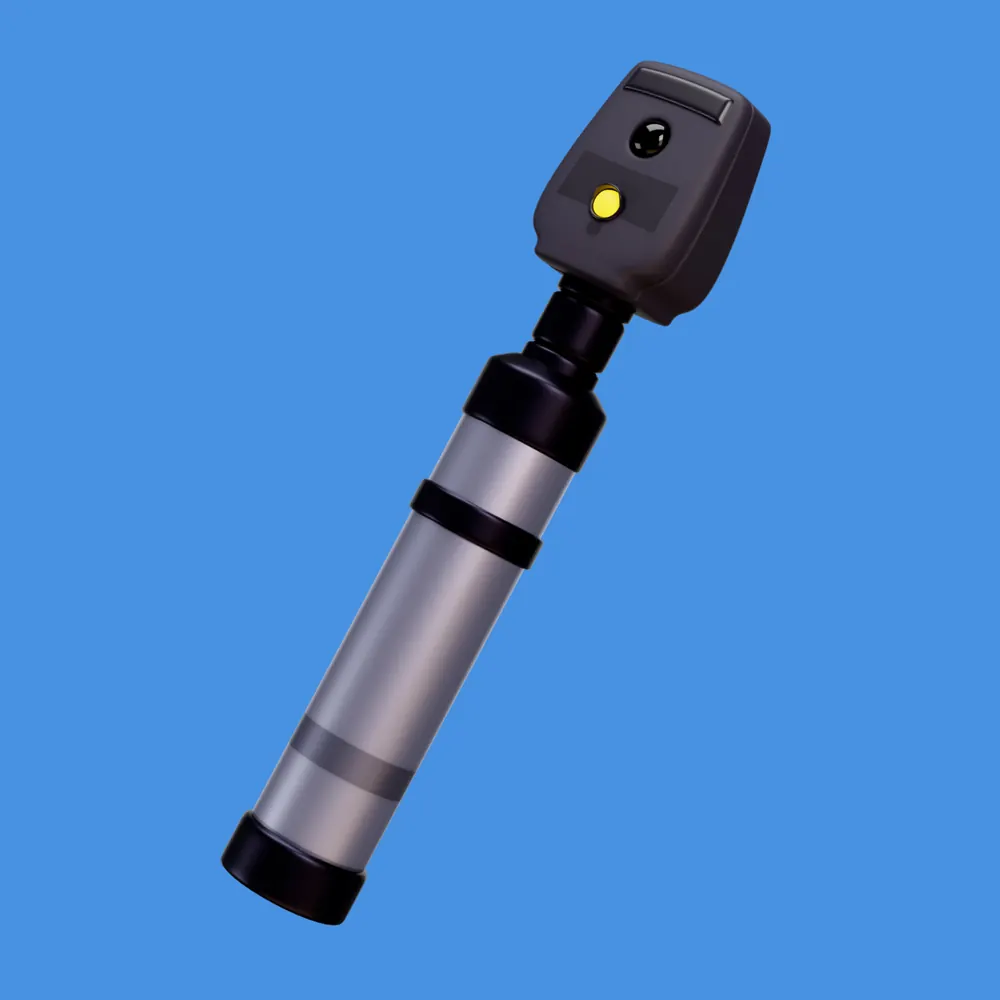
This is a medical instrument used to examine the interior of the eye, including the retina, optic nerve, and blood vessels. It helps in diagnosing eye conditions such as glaucoma and diabetic retinopathy.
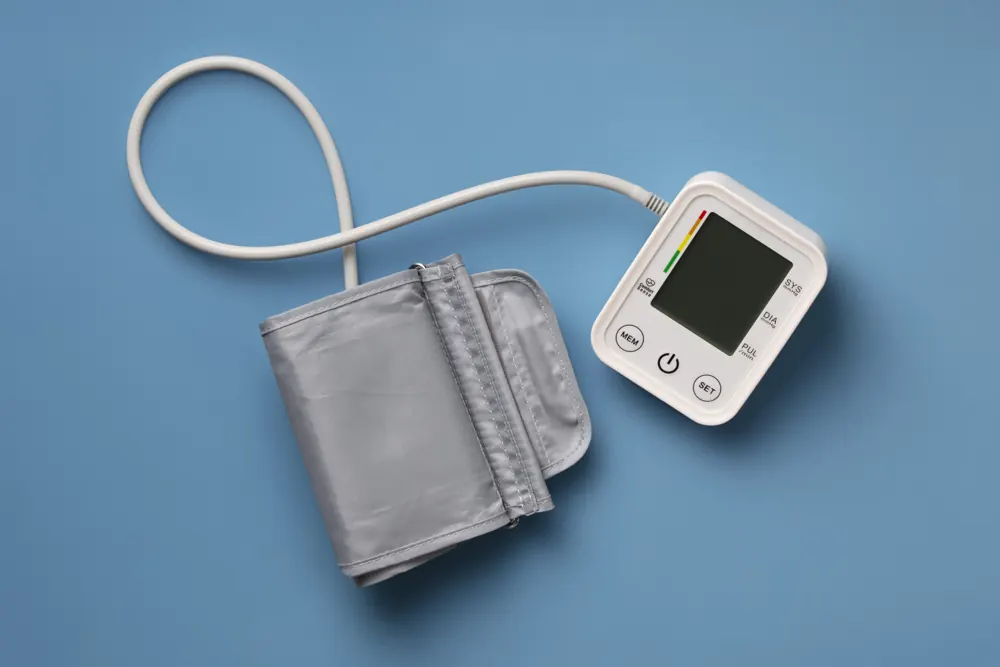
BP monitors are devices used to measure the pressure of blood against the walls of arteries. They assist in diagnosing hypertension and monitoring heart health, enabling early detection of potential issues.
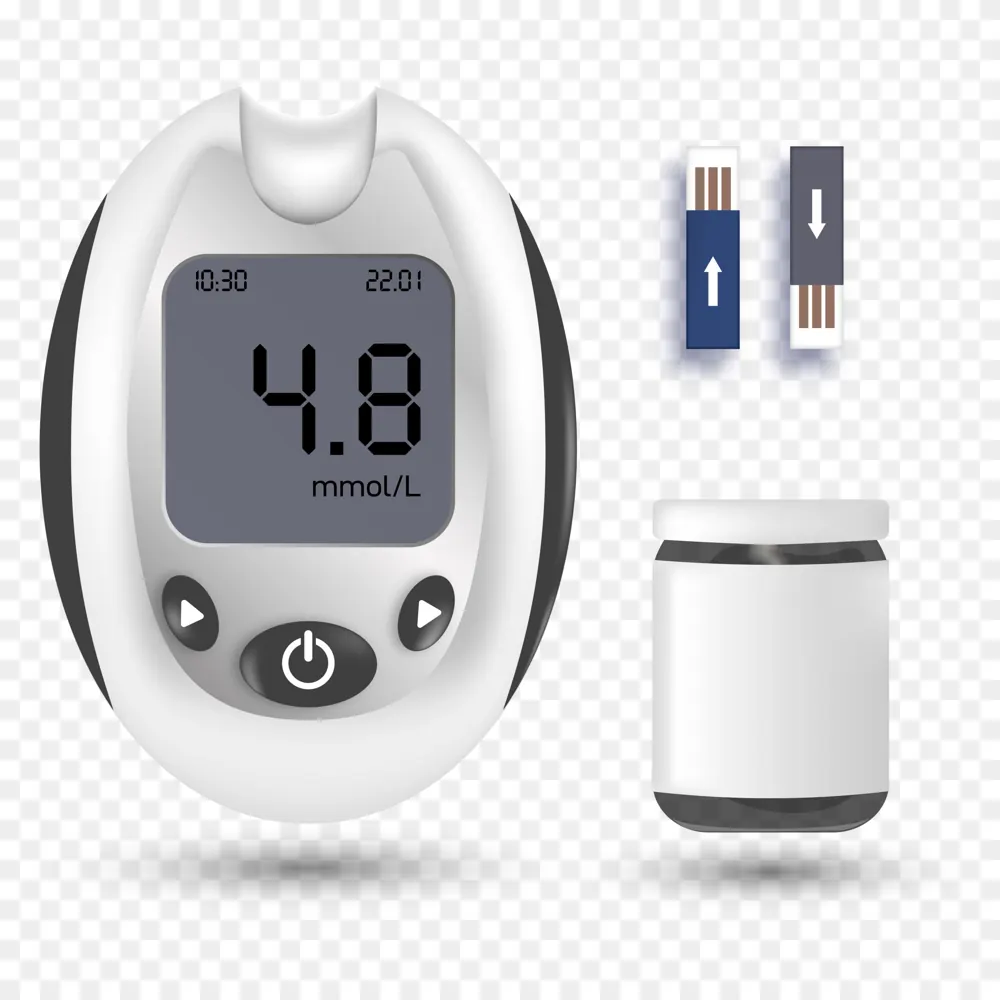
A glucometer is a device used to measure blood glucose levels. It is crucial for managing diabetes, assisting individuals in monitoring their sugar levels and adjusting their diet or medication as needed.
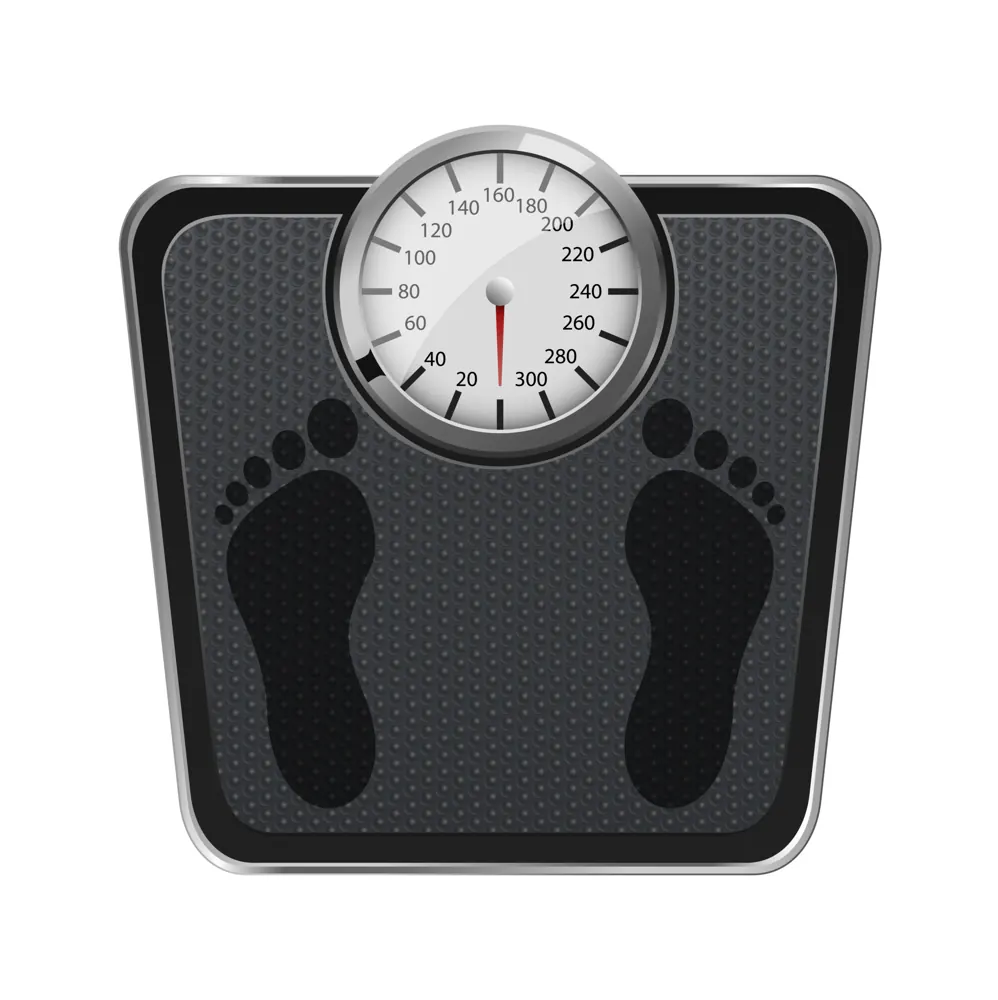
They are devices used to measure a person’s weight. They help track health progress, monitor weight management, and are commonly used in fitness and medical settings for routine checks.
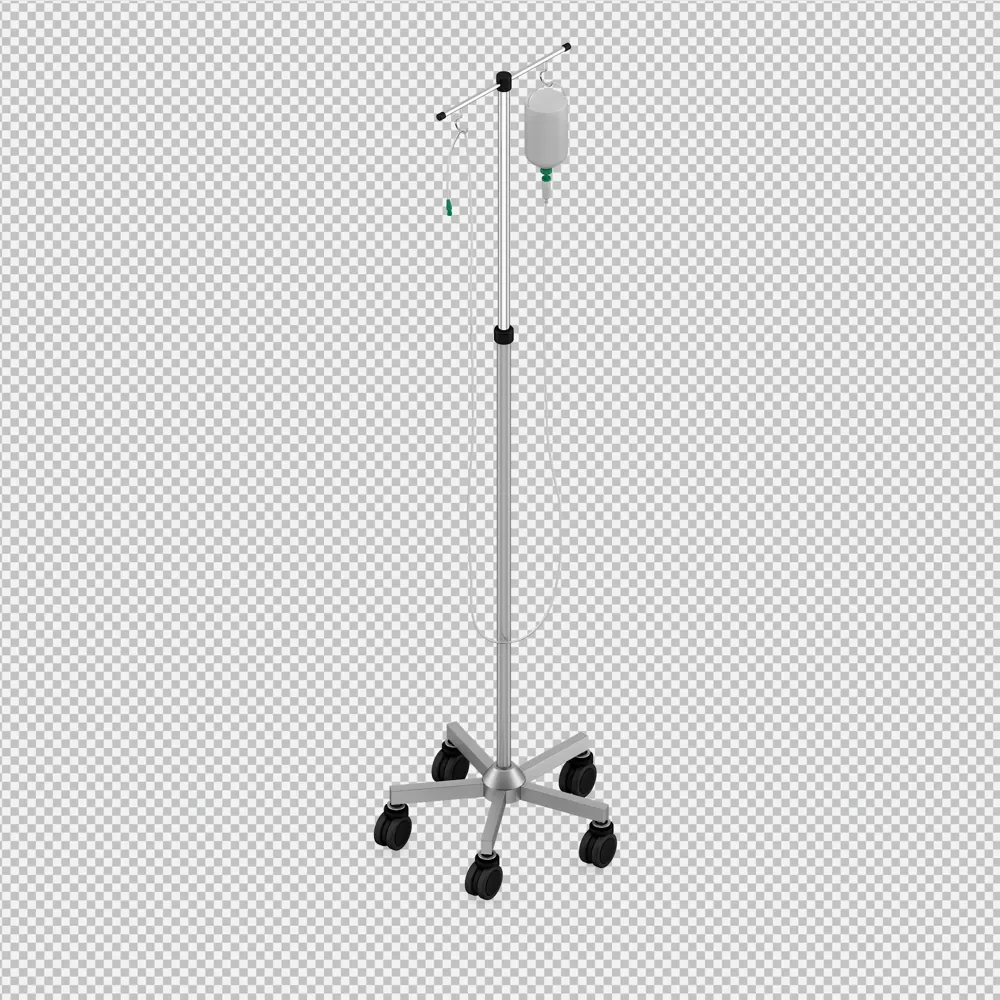
IV stands are medical devices used to hold intravenous (IV) bags and fluids during treatments. They provide stability and convenience for administering fluids, medications, or nutrients to patients.
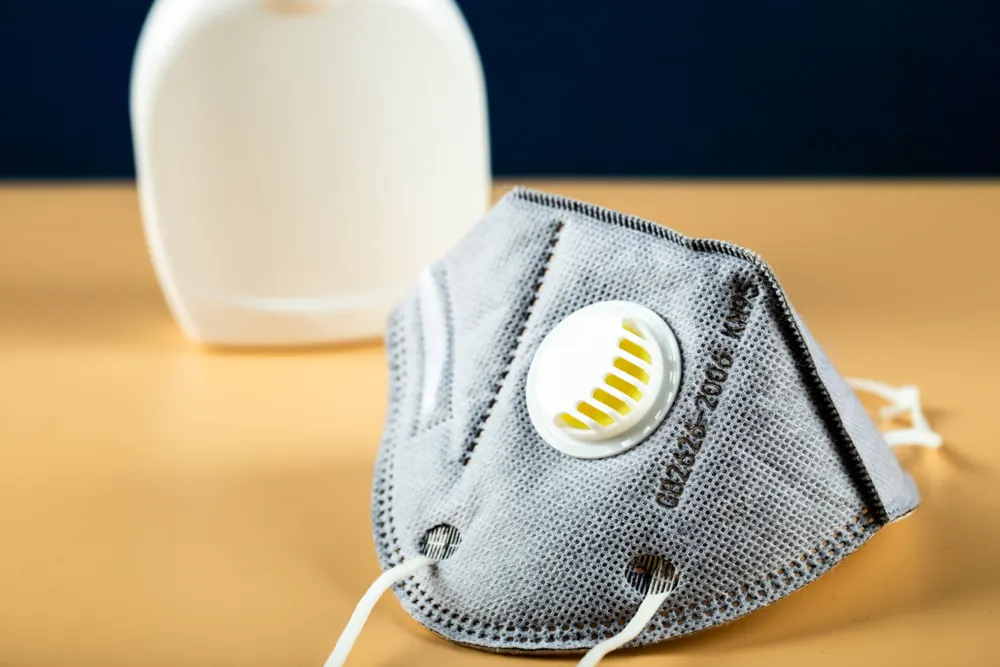
N95 respirator masks are designed to filter out at least 95% of airborne particles, including dust, bacteria, and viruses. They offer a high level of protection, especially in healthcare settings and areas with airborne hazards.
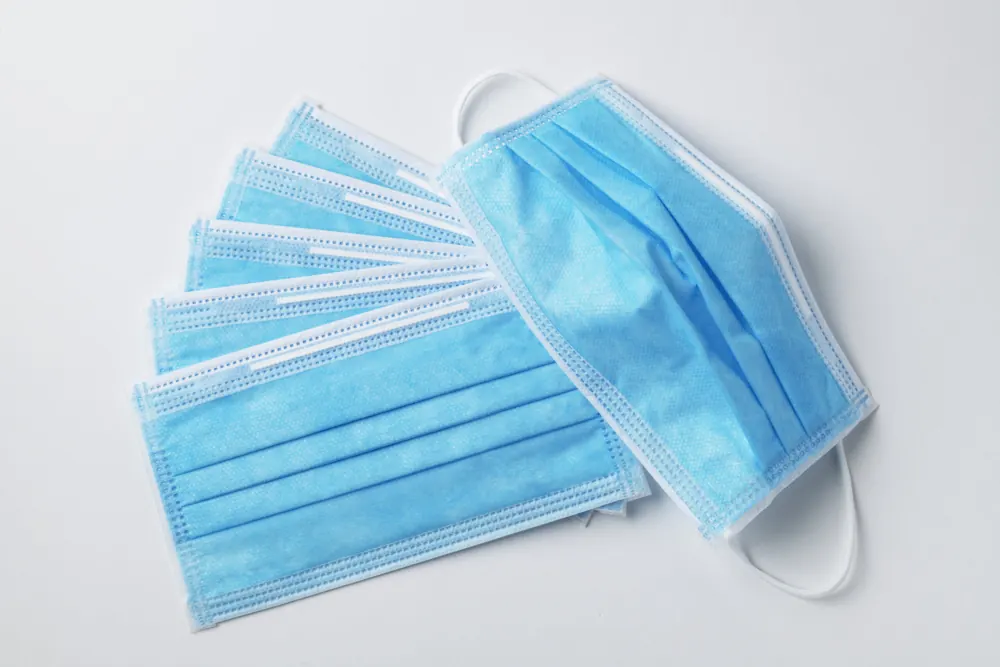
Surgical and STD face masks are designed to protect against the spread of infections by covering the nose and mouth. They are commonly used in medical settings to prevent the transmission of bacteria and viruses during procedures.
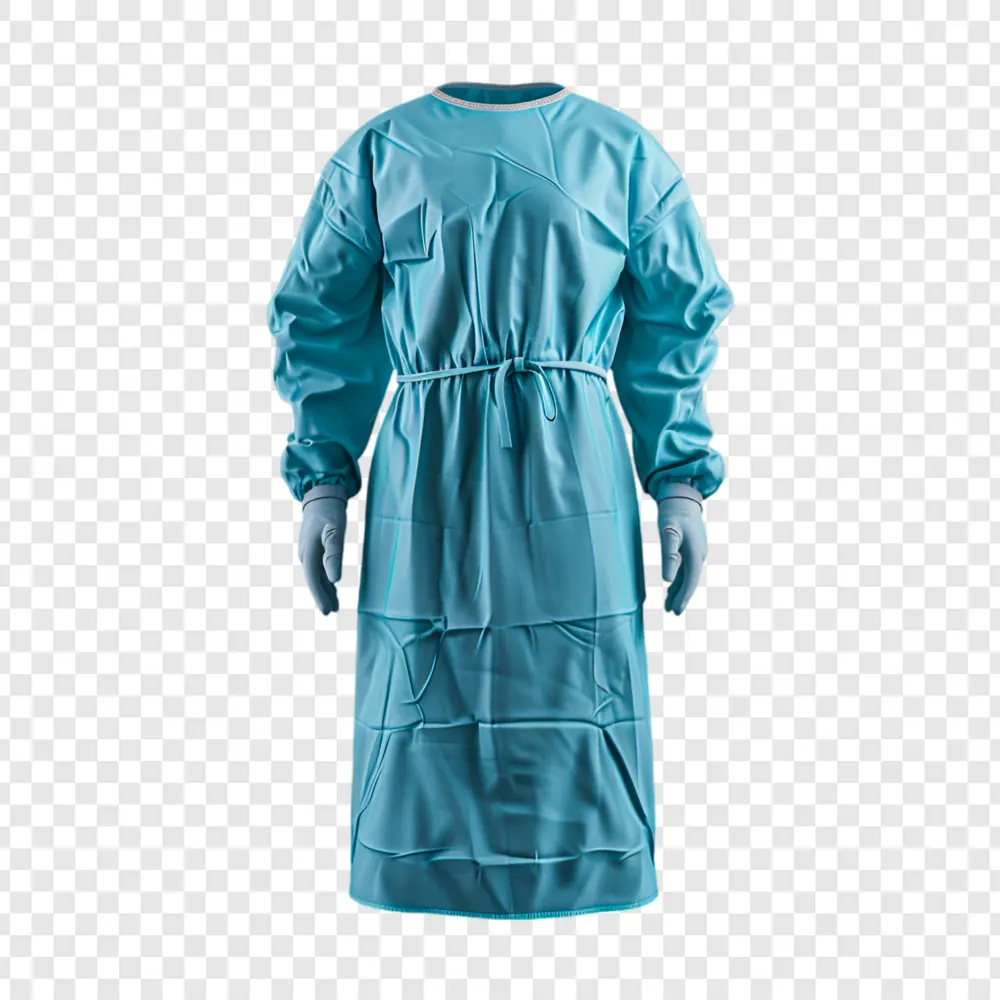
Medical gowns are protective garments worn by healthcare professionals to prevent the spread of infections. They are designed to cover the body and protect from exposure to fluids, contaminants, and harmful substances in medical environments.
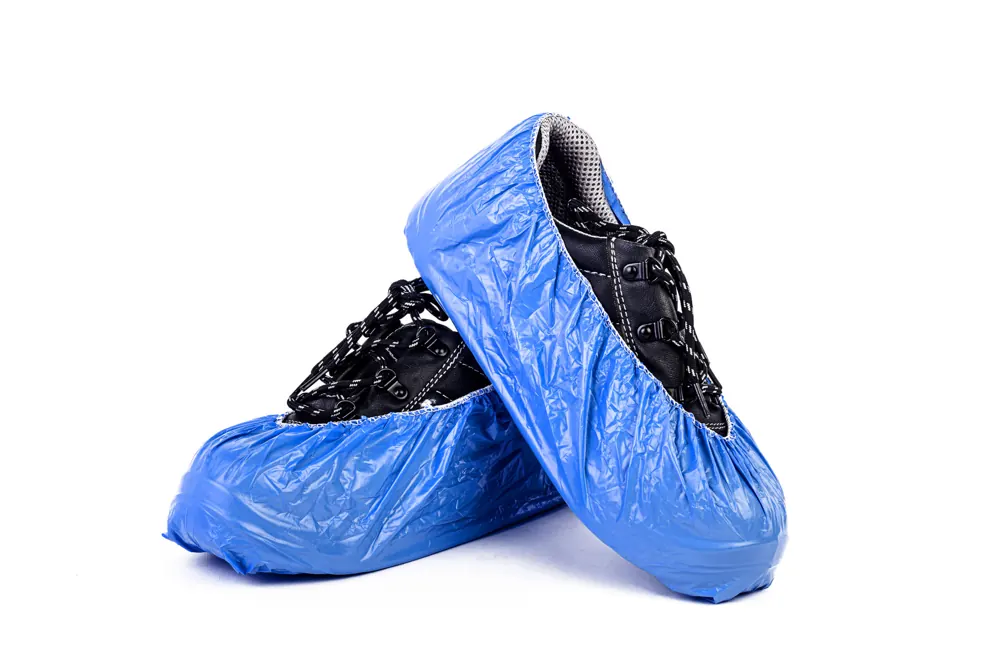
Cover shoes are protective footwear worn in medical or cleanroom settings to prevent contamination. They help maintain hygiene by covering shoes and minimizing the spread of dirt, bacteria, or other harmful particles.
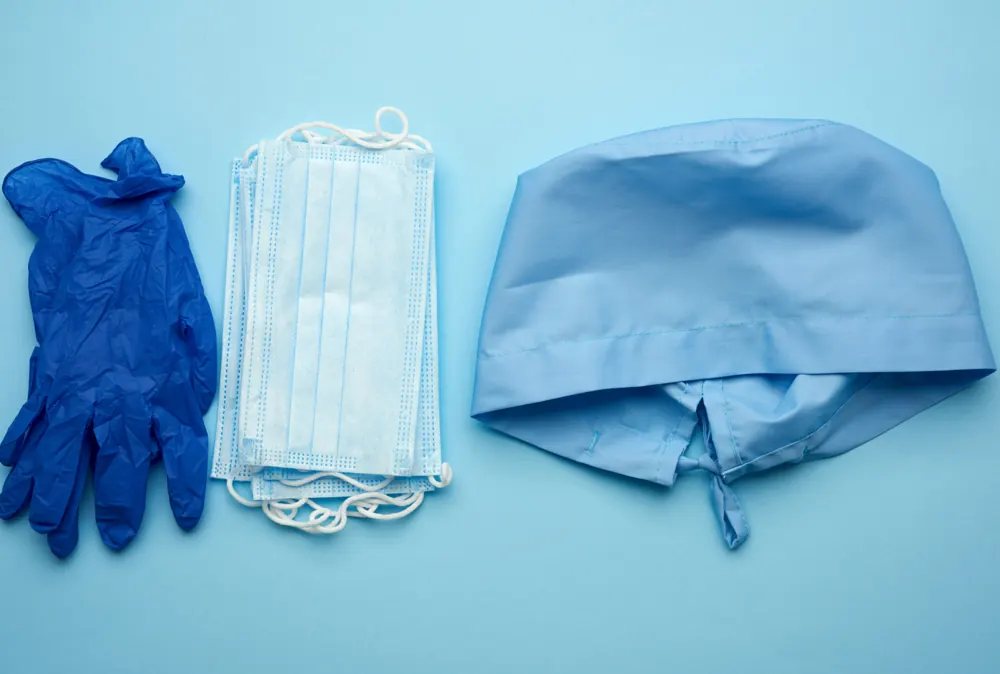
Cover heads are protective headgear worn in medical or sterile settings to prevent contamination. They help keep hair covered and uphold hygiene, ensuring a clean and safe workspace.
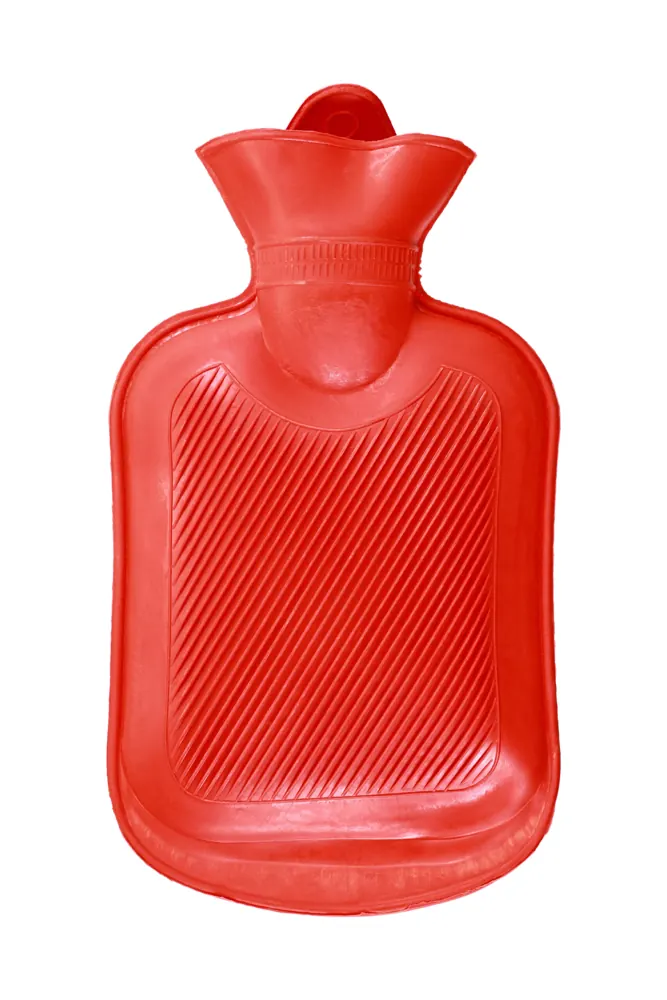
Hot water bags are flexible containers filled with hot water that provide soothing heat therapy for pain relief. They help ease muscle tension, reduce cramps, and promote comfort by applying warmth to affected areas.
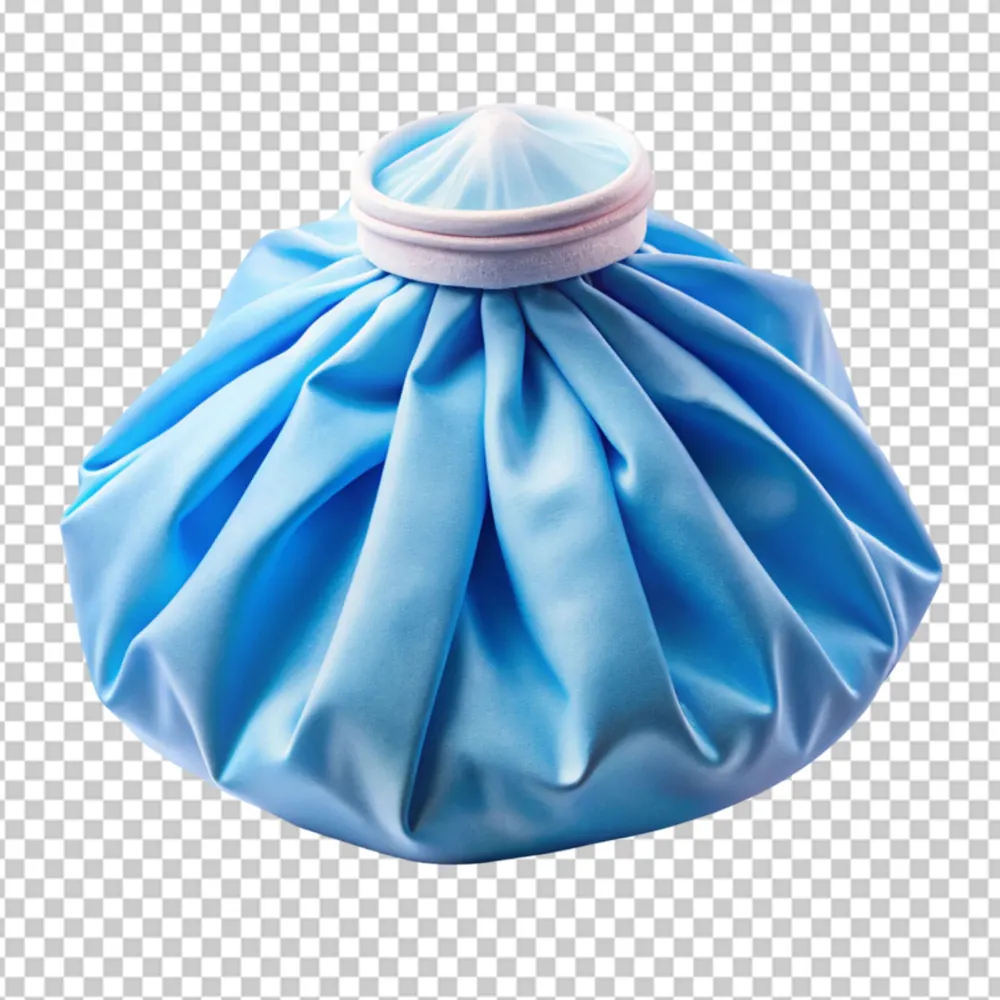
Ice bags are flexible pouches filled with ice, used for cold therapy to reduce swelling, numb pain, and aid in the healing of injuries. They are commonly applied to sprains, strains, and bruises for effective cooling and recovery.
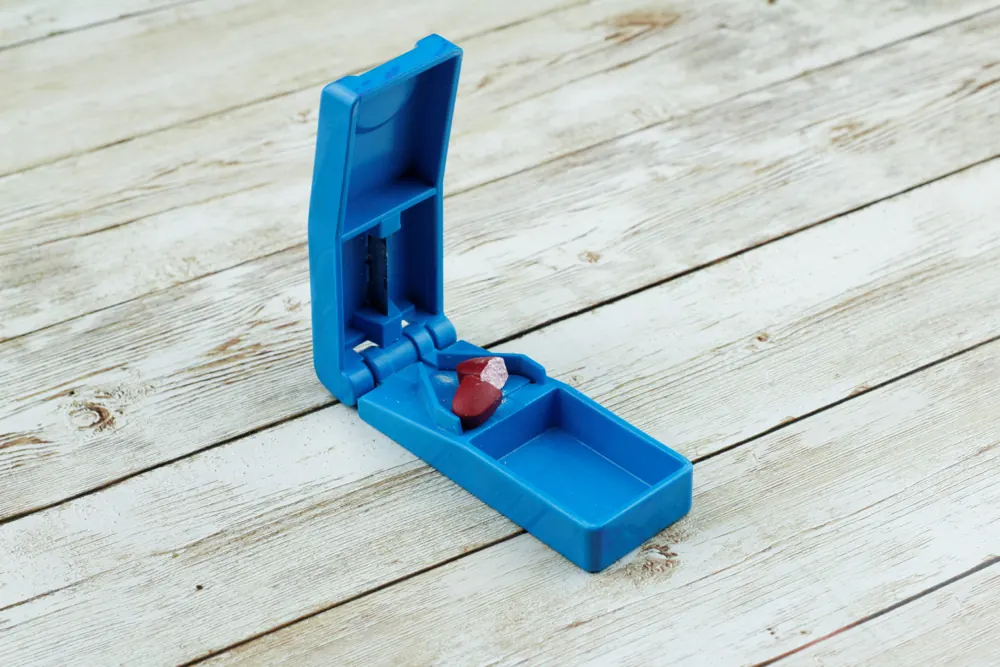
A pill splitter is a small device used to safely and accurately cut tablets into smaller doses. It helps patients who need to take a lower dose or find it easier to swallow smaller pieces of medication.
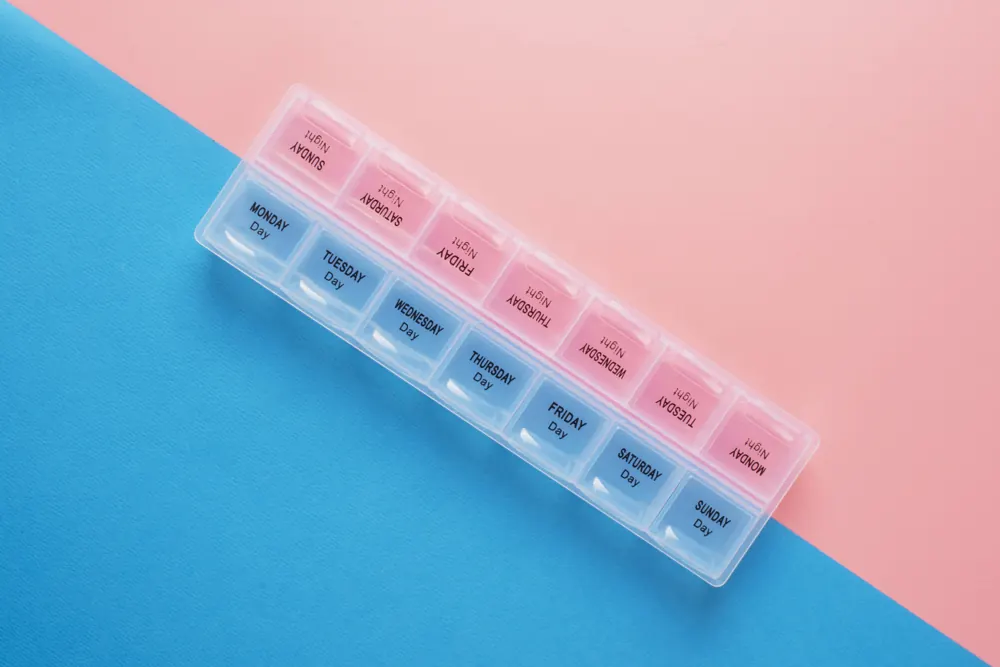
A pill organizer is a container designed to store and sort medication by day and time, helping people manage their daily doses. It ensures accurate and timely medication intake, especially for those on multiple prescriptions.
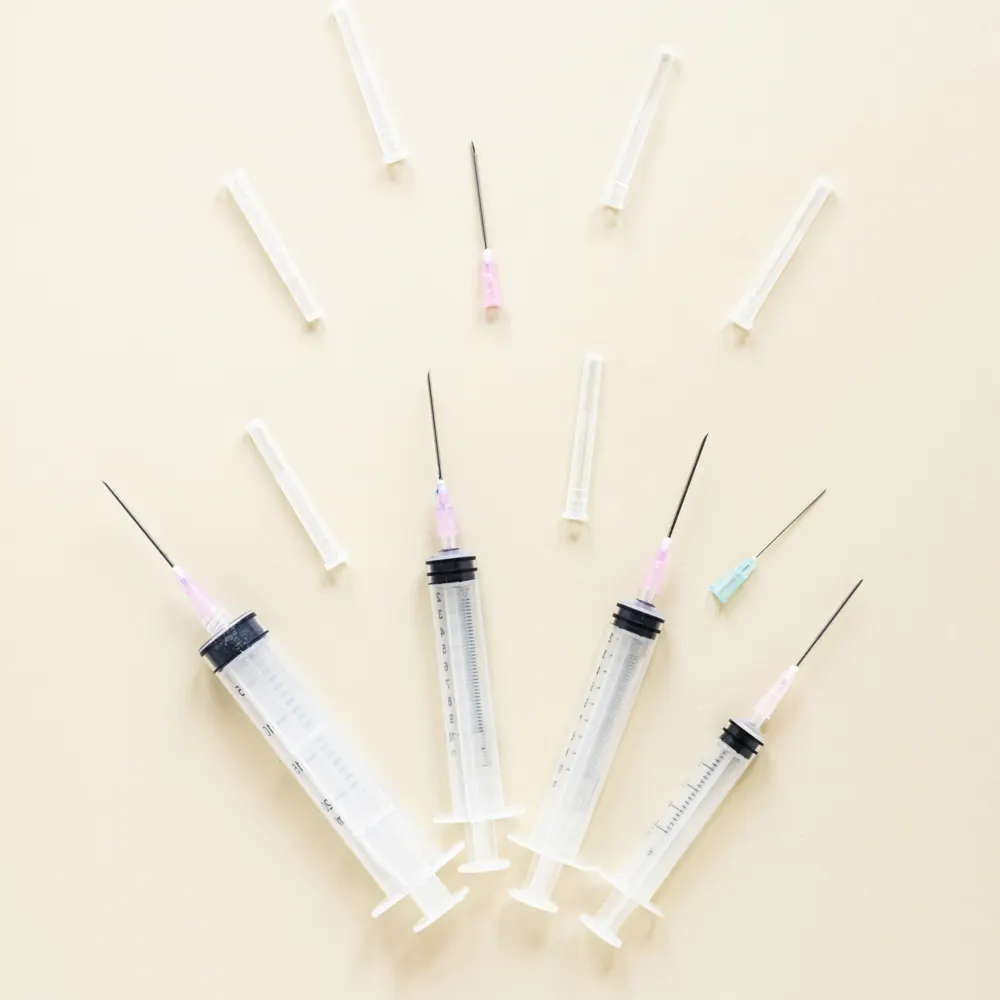
Syringes and needles are medical tools used to inject medications, vaccines, or fluids into the body. Syringes contain the substance, while needles deliver it through the skin, ensuring accurate administration.
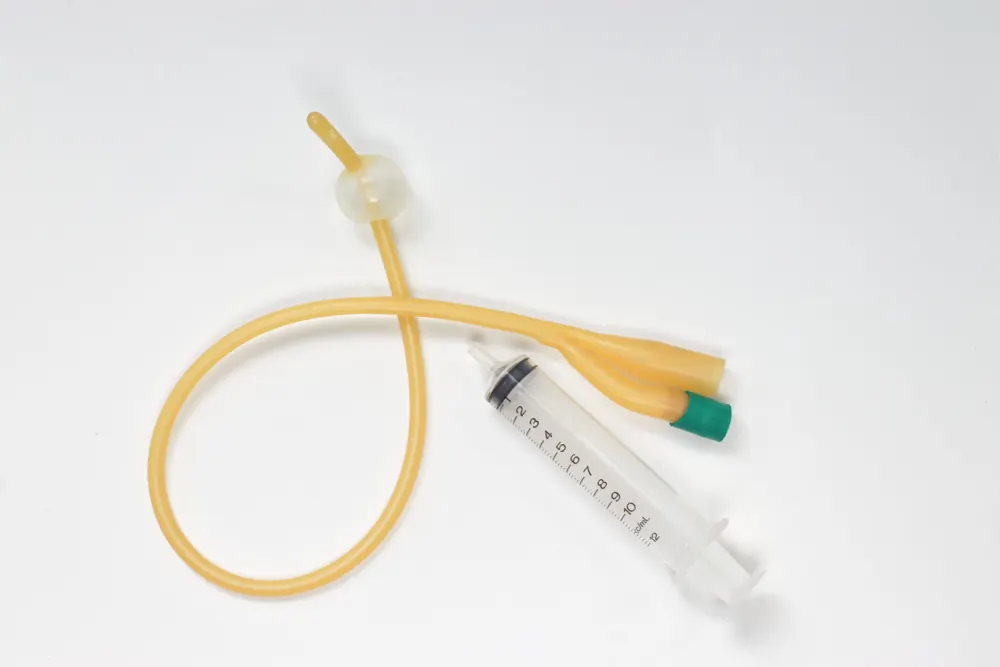
Catheters are flexible tubes inserted into the body to drain fluids or deliver medication. They are commonly used for urinary, intravenous, or surgical purposes, offering a safe way to manage medical needs.
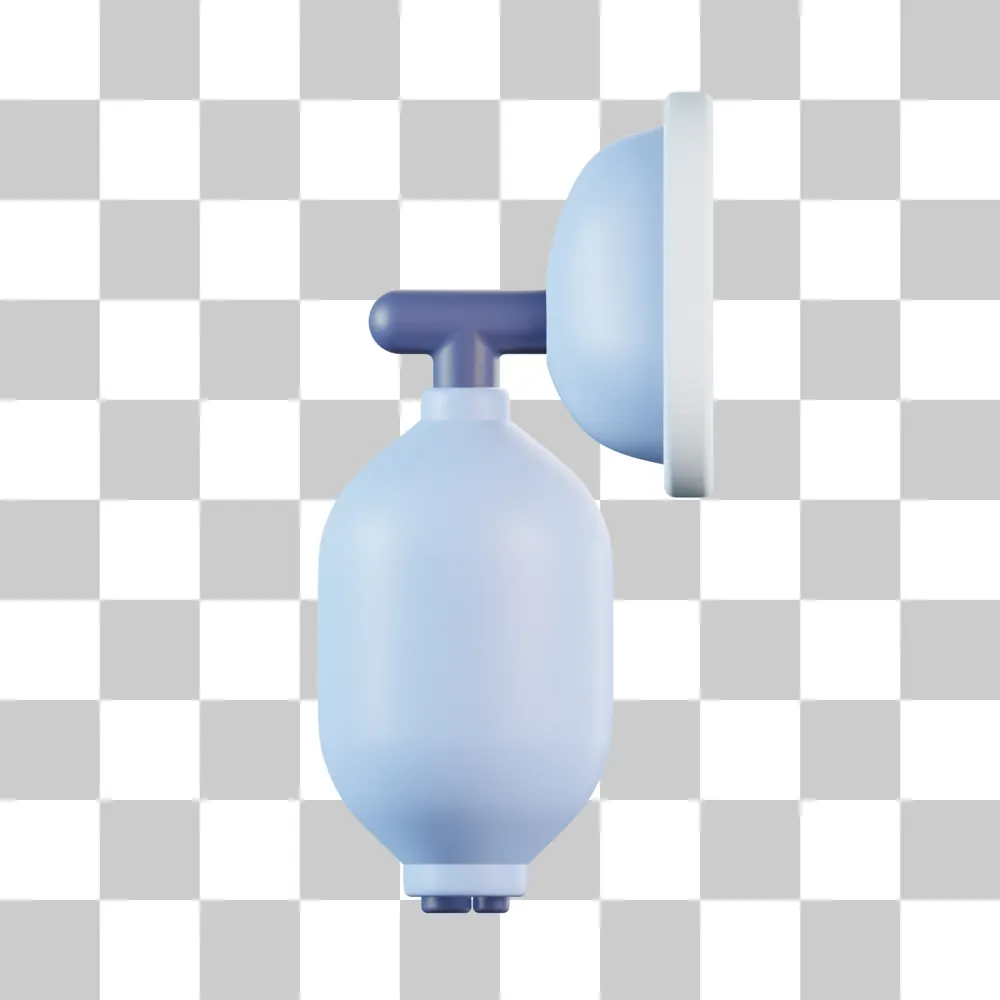
An Ambu bag, or bag-valve mask (BVM), is a medical device used to deliver positive pressure ventilation to individuals who are not breathing or breathing inadequately. It includes a self-inflating bag, a unidirectional valve, and a face mask to ensure air reaches the lungs.
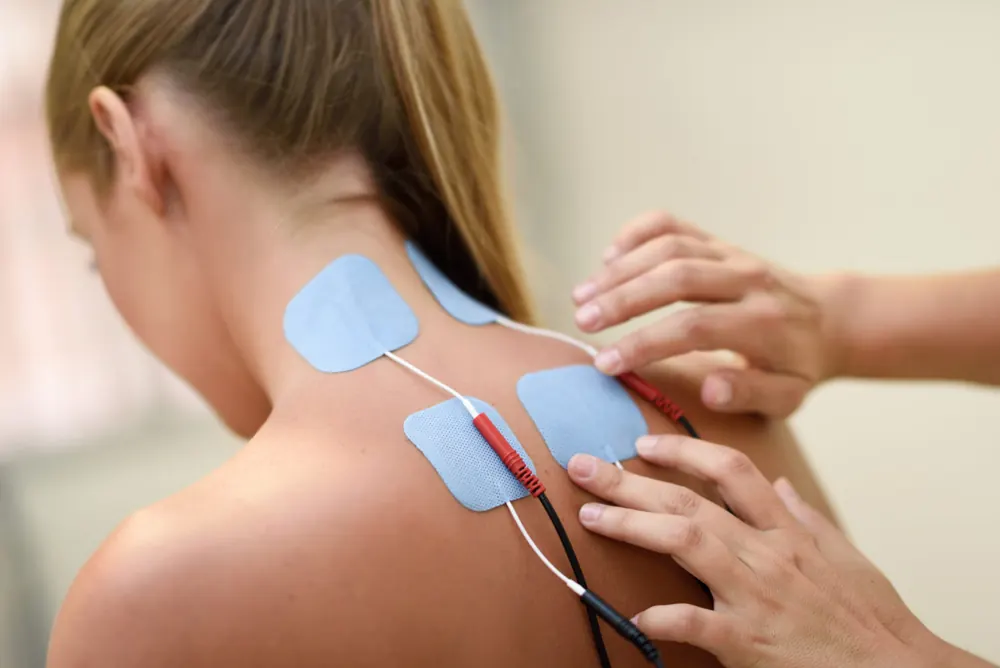
Electrodes are conductive pads or sensors used in medical devices to detect electrical signals or deliver electrical impulses to the body. They are commonly used in procedures like ECGs, EEGs, and muscle stimulation therapies.
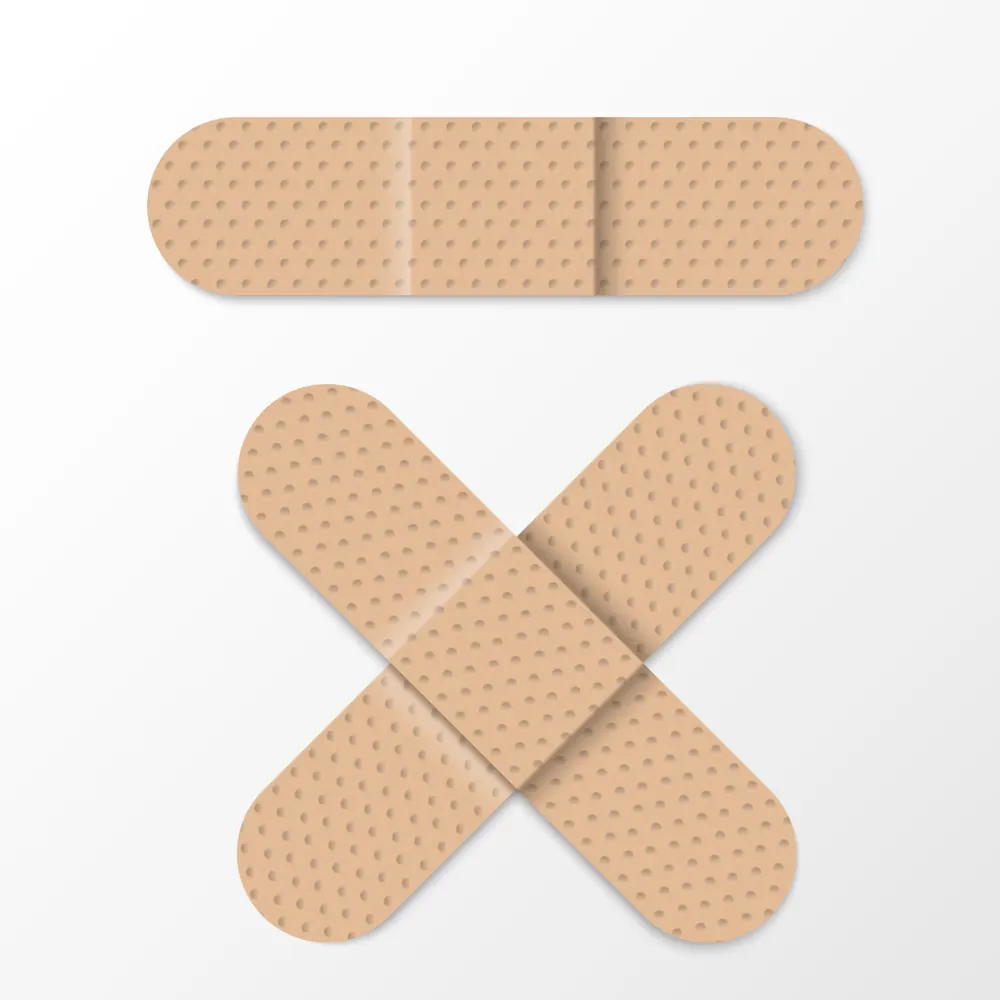
Bandages are strips of material used to cover, protect, and support injured areas of the body. They help control bleeding, reduce swelling, and promote healing by keeping wounds clean and secure.
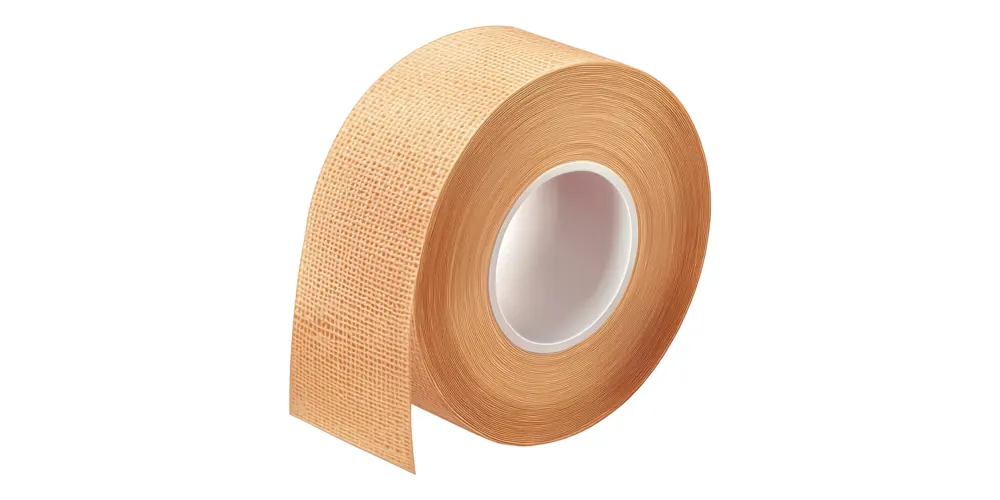
Micropore is a brand of hypoallergenic surgical tape used to secure dressings, bandages, or medical devices to the skin. It is gentle on the skin, breathable, and ideal for sensitive skin, preventing irritation while providing reliable adhesion.
Medical rolls – 1 ply are single-layer, absorbent strips of material used for various medical purposes, such as dressing wounds or covering surgical sites. They are designed for one-time use, ensuring hygiene and preventing contamination.

Underpads are absorbent products placed beneath patients to protect furniture from leaks. Disposable pads are used once, while non-disposable pads can be washed and reused, making them a cost-effective option.
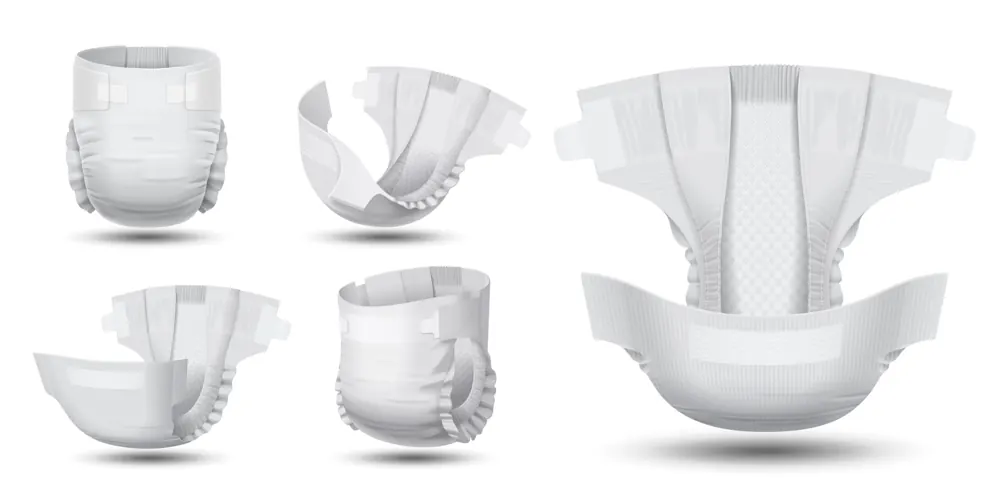
Adult pull-up and brief-style diapers are designed for incontinence care, offering comfort and security. Pull-ups are worn like regular underwear, while briefs have adjustable tabs for a more secure fit.
Talk to our respiratory team — we'll guide you step by step, and we're available 24/7 for emergencies.